No Losers Only Wieners Hot Dog Kawaii
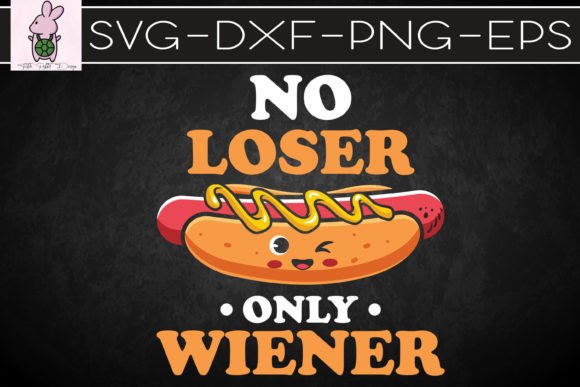
The first time I opened the No Losers Only Wieners Hot Dog Kawaii file, I admit I smiled before I even thought about hoop size or thread colors. There is something immediately disarming about a hot dog character that leans into the wordplay with a straight face. As a designer who has stitched hundreds of projects—from custom baby onesies to boutique tote bags—I have learned that the best designs do two things at once: they make you laugh, and they make you think about where you want to put them. This little wiener does exactly that. It is playful without being childish, bold without being noisy, and simple enough that you can see right away how it will behave under a needle. That clarity is rare in digital assets marketed across Crafts and Graphics categories, and it is the first sign that this file might be worth testing in real embroidery work.
First Impressions: Playful, Bold, and Surprisingly Versatile
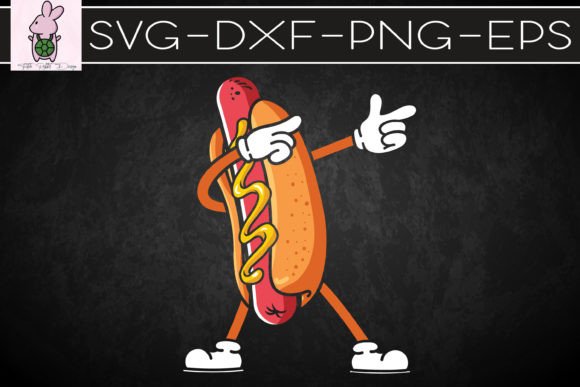
What strikes me most about No Losers Only Wieners Hot Dog Kawaii is the shape language. The hot dog form is rounded, friendly, and centered, which means it will translate well into fill stitch and satin stitch areas without awkward corners or tiny gaps that cause thread breaks. The kawaii influence gives it large expressive eyes and a soft, approachable expression, but the layout is clean enough that it does not get lost when scaled down. I have tested similar character designs on a variety of substrates, and I can already tell this one will hold its visual personality on a cotton tote bag just as well as on a structured cap or a linen kitchen towel. The mood is lighthearted and inclusive—it is a design that says, we are all winners here, and that emotional hook is exactly what sells handmade products at craft fairs and on Etsy.
For a small shop owner or an Etsy seller looking to build a cohesive collection, this graphic offers a strong anchor piece. It works as a stand-alone design, but it also suggests a whole lineup: matching accessories, funny quotes, or themed sets for summer barbecues, dog lovers, or anyone who appreciates a good pun. When I evaluate a design for commercial use, I ask myself whether it sparks ideas for additional products. This one does. I can already picture it on a series of embroidered patches, a set of personalized aprons, or a limited run of holiday gifts for foodie friends.
How It Performs in Real Embroidery Projects
I recently prepared a custom embroidered tote bag using a scaled version of No Losers Only Wieners Hot Dog Kawaii as the centerpiece. The tote was a medium-weight cotton canvas in cream, and I paired the design with a bright red thread for the hot dog body and black for the facial details. Because the original file is a digital image designed for cutting machines like Cricut and Silhouette, I had to convert it into a machine embroidery design using digitizing software. That conversion step is crucial for anyone planning to stitch this file. The vector quality is clean, which made the digitizing process straightforward, but you will still want to check your stitch density and underlay settings before you commit to fabric.
In practice, the design performed well. The rounded shapes digitized smoothly into satin stitch fills, and the eyes and mouth translated into running stitch accents without losing their kawaii charm. I tested it on a sweatshirt as well—a heavier cotton-poly blend—and the design sat flat with no puckering around the edges. The key is to use a medium-weight cutaway stabilizer for knit fabrics and a tear-away for wovens. Because the design has no extremely dense stitch areas, it also works for baby embroidery projects where fabric is softer and more delicate. I would not hesitate to stitch it on a baby bodysuit or a receiving blanket, provided you reduce the size slightly and use a lightweight stabilizer underneath.
One area where this design really shines is applique. The clean outline of the hot dog shape makes it an excellent candidate for fabric applique, where you layer a piece of felt or cotton into the design and stitch around the edge with a satin stitch. I tried an applique version on a pillow cover, using a red fabric scrap for the hot dog body and black felt for the eyes. The result was soft, dimensional, and washable. If you sell finished products like boutique blankets or custom apparel, applique adds perceived value and gives customers a tactile reason to buy.
Where to Use This Design Carefully
No design is perfect for every surface, and No Losers Only Wieners Hot Dog Kawaii has a few limitations worth mentioning. The facial features are small, so if you plan to stitch this design in a miniature hoop size—say, a 4x4 hoop or smaller—you may lose the clarity of the eyes and mouth. I recommend keeping the design at least three inches tall to preserve the kawaii expression. On very thin fabrics like silk or lightweight rayon, the stitch density of the satin fill can cause puckering if you do not use a stabilizer with enough body. Test on a scrap first. Dark fabric is also a consideration: the hot dog is typically light-colored, so if you stitch it on a black t-shirt or a navy cap, you will want to use a white or light thread that pops clearly. A black outline around the shape can help define the edges on dark backgrounds.
Curved surfaces like caps and fitted hats present a challenge for any round design. The hot dog shape is straightforward, but the facial details need to align evenly. I recommend hooping a cap using a cap frame and checking your alignment twice before stitching. For stretchy fabrics like jersey knit t-shirts, use a sticky stabilizer or a temporary spray adhesive to keep the fabric from shifting. The design is durable enough for frequent washing if you use quality thread and proper stabilizer, but I would still advise customers to turn embroidered items inside out before laundering to protect the stitches.
What Customers Actually Notice
When I showed the finished tote bag to a few testers—friends who run small shops and regular customers who buy handmade gifts—the reaction was immediate. People laughed, then they picked up the bag to look closer. That moment of physical engagement is exactly what you want in a retail or craft fair setting. The design prompted questions about where I found it, how I digitized it, and whether I could make matching items. For an Etsy seller, that kind of curiosity translates into repeat visits and potential custom orders. The design also sparked conversation about the phrase itself—no losers only winners is an uplifting message wrapped in a silly package, and that combination is surprisingly giftable. I could see it on a birthday present for a dog owner, a hostess gift for a summer cookout, or even a small thank-you item for a coworker.
From a branding perspective, this design feels like it belongs in a curated collection. It is not generic. When a customer buys a product with this design, they are buying a specific mood—one that is warm, funny, and confidently lighthearted. That kind of emotional clarity helps small shop owners build a recognizable style. If you are a creative entrepreneur who sells digital embroidery files or printable mockups, this design also works well as a preview image for social media, because it photographs nicely and reads clearly at thumbnail size.
Practical Designer Notes Before You Stitch
Before I use any digital graphic in a commercial embroidery project, I run through a short checklist, and I recommend you do the same with No Losers Only Wieners Hot Dog Kawaii.
- Test the design on scrap fabric first, using the exact thread colors and stabilizer you plan to use for the final product. This step catches tension issues and color contrast problems before you commit to a customer's garment.
- Check thread color contrast against your fabric background. A light hot dog on a white or cream fabric may need a subtle outline to define the shape. On darker fabrics, a white thread with a black satin outline creates a crisp, professional look.
- Review stitch density in your digitizing software before stitching. If the satin fill areas are too dense for your fabric, reduce the density or switch to a fill stitch with a lower count. The eyes and mouth should be dense enough to read clearly but not so dense that they create a stiff spot.
- Confirm your hoop size. This design fits comfortably in a 5x7 hoop at its recommended size, but you may need a larger hoop if you plan to add text or additional elements around the hot dog.
- Test the design in black and white mockups first. A grayscale preview helps you see the value contrast between elements and identify areas where the design may look muddy when stitched.
- Verify licensing terms before selling finished items or digital products. The product listing states that it is a digital image for cutting machines, so if you plan to digitize it for embroidery and sell the resulting file, make sure you have the right to create derivative works. When in doubt, contact the seller.
- For commercial embroidery projects—whether you are stitching for a client, selling at a craft fair, or listing on Etsy—keep a record of your test results, thread brands, and stabilizer choices. This documentation helps you reproduce the same quality consistently.
The design works for both personal and small-scale commercial use, as long as you respect the original terms. If you are a hobbyist stitching gifts for friends and family, this file is a low-risk, high-reward addition to your digital library. If you run a craft business, it offers a strong conversation piece that can drive engagement at markets and online.
Final Thoughts on a Design That Delivers
No Losers Only Wieners Hot Dog Kawaii is the kind of graphic that reminds me why I enjoy working with playful, personality-driven designs. It is not trying to be everything to everyone. It knows exactly what it is: a cute, funny, well-drawn hot dog with a positive message and a clean silhouette. For an embroidery designer, a small shop owner, or a creative entrepreneur, that clarity saves time, reduces waste, and makes the finished product more likely to sell. Whether you stitch it onto a tote bag, a baby onesie, a set of embroidered patches, or a series of holiday gifts, this design holds up under the needle and earns a reaction from the people who see it. That is the mark of a graphic that belongs in your active project rotation.