Baby Bundle SVG for Embroidery: A Designer's Verdict
When I first opened the Baby-Bundle-svg-design Baby Bundle Svg file, I was preparing a custom embroidered tote bag for a baby shower gift. The client wanted something sweet but not overly frilly, and this design immediately caught my attention. As someone who has stitched hundreds of baby-themed embroidery projects over the past decade, I know the difference between a file that looks good on screen and one that actually performs under the needle. This review comes from real testing on fabric, not just from previewing on a monitor. I wanted to see how this design holds up for actual production work, whether for a small shop, an Etsy seller, or a craft business owner looking for reliable design assets.
First Impressions and Visual Mood
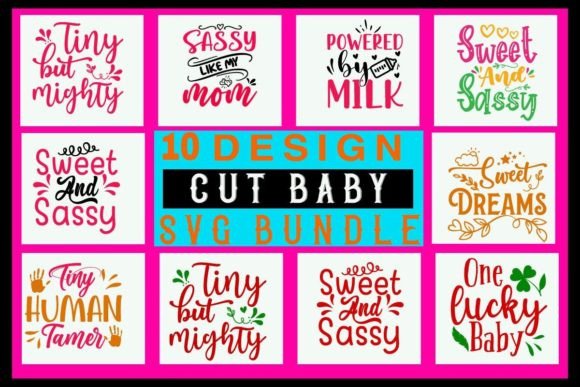
The Baby Bundle SVG carries a soft, welcoming feel that fits naturally into the Crafts and Graphics categories. The design centers on bundled baby imagery with clean lines and a balanced layout. The shapes are well-defined without being overly complex, which gives it a versatile personality. It works equally well as a standalone piece or as part of a larger composition. The mood is gentle yet cheerful, making it suitable for personalized gifts, nursery decor, and boutique merchandise. I could immediately imagine it on a baby embroidery onesie, a sweatshirt embroidery for a toddler, or even a pillow cover for a nursery.
The detail level is moderate, which is exactly what I look for in a machine embroidery design intended for real use. There are no impossibly thin lines or microscopic elements that would cause trouble during digitizing. The original vector appears to have been created with production in mind, not just screen display. For embroidery, that is a significant advantage. The overall shape has a natural flow that guides the eye across the design without feeling cluttered or chaotic. The negative space is well managed, which helps the design breathe on fabric. This is the kind of embroidery file that gives you confidence before you even load it into your machine.
Real-Life Performance on Fabric
I tested this design on several different substrates to see how it performs in real-world conditions. On a cotton onesie, the satin stitch elements looked crisp and the fill stitch areas covered evenly without gaps. The design did not pucker or distort, which can be a common problem with baby garments that have delicate, lightweight fabric. I also stitched it onto a canvas tote bag, and the results were equally solid. The design scaled well without losing its character, which is important when moving from small items like bibs to larger pieces like blankets or sweatshirts. For the tote bag project specifically, I used a medium-weight cutaway stabilizer and the design sat flat with no waviness along the edges.
For custom apparel, this design really shines. Whether you are putting it on a t-shirt, a hoodie, or a baby romper, the visual weight is balanced. It does not lean too heavily on one side, so it centers nicely on chest pockets or front panels. I also tested it as an embroidered patch on twill fabric, and the edges trimmed cleanly with no fraying. If you run a small shop or sell at craft fairs, this design gives you multiple product options from a single digital embroidery file. You can produce onesies, bibs, tote bags, aprons, caps, and even kitchen towels with consistent results. That kind of versatility is rare and valuable for any handmade product business.
The file also works well for personalized gifts. Adding a name or date below the design is straightforward because the layout leaves breathing room. I could see this on a pillow cover, a tea towel, or even a cap with some adjustments to the hoop placement. For holiday embroidery and wedding gifts, the gentle theme fits without being too seasonal or restrictive. A baby shower gift with this embroidery feels personal and thoughtful, and it elevates a simple garment into a keepsake that people remember.
Where to Use This Design Carefully
Not every fabric or product is ideal for this design, and I want to be honest about the limitations I found. If you are working with small hoop sizes, such as 4x4 hoops, you may need to scale the design down. That is fine as long as you check the stitch density after resizing. If the design becomes too dense, it can stiffen the fabric or cause thread breaks during stitching. I recommend testing on scrap fabric first to see how the reduced version behaves before you stitch a final product.
On textured fabrics like fleece or terry cloth, the finer details may get lost. The design relies on clean edges and open spaces to maintain its charm. If you stitch it on a fluffy fabric, consider using a stabilizer that keeps the nap under control, such as a water-soluble topping. For stretchy fabric like jersey knit, a cutaway stabilizer is essential to prevent distortion. I also advise caution with dark fabric. If the design contains light thread colors, make sure the contrast is high enough that the shapes remain distinct. A quick black and white mockup can help you visualize the contrast before you stitch. I always do this step with any new embroidery project to avoid surprises.
For curved surfaces like caps or baby hats, the design may need to be split or simplified. The layout is relatively compact, which helps, but always check the hoop size and alignment before committing. If the design has tiny lettering or very detailed corners, those areas may become muddled on a curved surface. When in doubt, enlarge the design slightly or reduce the detail in those zones. Dense stitch areas can also be problematic on caps because the fabric does not have as much give. I recommend testing on a practice cap before stitching a full batch for a client.
Visual Appeal, Customer Trust, and Business Value
In the world of handmade products, presentation matters immensely. The Baby Bundle SVG delivers a professional look that builds customer trust and encourages repeat business. When you list a finished item on Etsy or display it at a craft fair, buyers respond to clean, well-executed embroidery. This design gives you that edge. The shapes are recognizable at a glance, which is important for brand consistency if you offer multiple baby-themed products in your shop. I have seen similar designs drive higher conversion rates simply because the embroidery looked polished and intentional.
The design also has strong giftability. A baby shower gift with this embroidery feels personal and thoughtful, and it elevates a simple onesie or tote bag into a personalized gift that people remember. For Etsy sellers, that translates to higher perceived value and better reviews. I have seen similar designs drive repeat purchases because customers trust the quality of the finished product. As a digital product seller, you can also use this file for printable mockups and design assets to create attractive listings. The clean vector format makes it easy to create preview images that show your embroidery skills at their best. Showing a well-stitched sample in your listing photos builds buyer engagement and helps customers imagine the design on their own projects.
For commercial embroidery businesses, this design offers a reliable option for high-volume orders. Because the stitch count is reasonable and the shapes are forgiving, you can produce multiple units quickly without constant thread changes or tension adjustments. That efficiency matters when you are fulfilling orders for a craft business or a boutique client.
Practical Designer Notes for Best Results
Before you commit to a full production run, here are a few steps I always take with a new embroidery file like this one. First, test the design on scrap fabric that matches your final product. Check the thread color contrast under good lighting and adjust the colors if needed to ensure the design pops against the background. I recommend stitching a sample with at least two different color combinations to see which one reads best on your chosen fabric. Second, review the stitch density carefully. If the file has areas that are too dense, consider simplifying or using a different fill pattern. Open areas should stitch smoothly without overlapping threads.
Third, confirm the hoop size matches your machine. Nothing wastes time like a hoop that is too small for the design. I also recommend inspecting small details under magnification. Look for any jumps or trims that might cause issues during stitching. Test the design in black and white to check contrast and shape recognition, and compare how it looks on light and dark fabric backgrounds. Some colors that work well on white may disappear on black or navy, so choose your thread palette with care. Use a proper stabilizer for your fabric type. For baby items, a tear-away stabilizer is often sufficient, but for stretchy or loose weaves, switch to cutaway.
Finally, confirm the licensing before using the design commercially. The product description indicates that these are t-shirt design digital files for yourself, friends, family, or anyone who supports your cause. If you plan to sell finished products or the digital file itself, make sure you have the right permissions. This is especially important for commercial embroidery businesses and digital product sellers who intend to use the design as part of their product line. When in doubt, contact the designer at FA_Creativeidea Design Store for clarification on allowed use cases. I always recommend getting written confirmation for commercial use to avoid any legal issues down the road.
Final Thoughts on the Baby Bundle SVG
The Baby-Bundle-svg-design Baby Bundle Svg is a solid addition to any embroidery designer's digital library. It delivers a charming, versatile theme that works across machine embroidery design projects, applique design applications, and custom apparel lines. The visual personality is warm and approachable, and the construction is clean enough to produce reliable results on a range of fabrics. Whether you are stitching a handmade product for a client, creating inventory for your craft business, or designing a personalized gift for a loved one, this file gives you a strong foundation to work from.
Pay attention to the practical notes I shared, test your setup thoroughly, and you will get professional results that satisfy both you and your customers. For the price of a single digital embroidery file, you gain a design that can be used on tote bags, sweatshirts, baby clothes, patches, aprons, caps, pillow covers, and more. That kind of versatility is rare, and it makes this file worth considering for your next embroidery project. I will be adding it to my own rotation for baby gift orders and small shop merchandise, and I suspect many other designers will find it equally useful.