Dog Training Duck Pheasant Hunting: A Hands-On Review
I have worked with dozens of hunting themed design files over the years, both as a digitizer and as an embroiderer producing finished goods for clients. When I first opened the Dog Training Duck Pheasant Hunting file, I immediately recognized its potential for real machine embroidery and heat transfer projects. Too many graphic files look sharp on screen but turn into a thread breaking nightmare once you hoop them up. This one felt different from the start. The composition is clean and the silhouette is strong, which usually translates well into satin stitch and fill stitch work. Before I commit a design to a custom sweatshirt or a batch of tote bags for an Etsy shop, I run through a full evaluation process. Here is my honest breakdown of how this file holds up under the needle and in a real craft business environment.
First Impression and Visual Personality
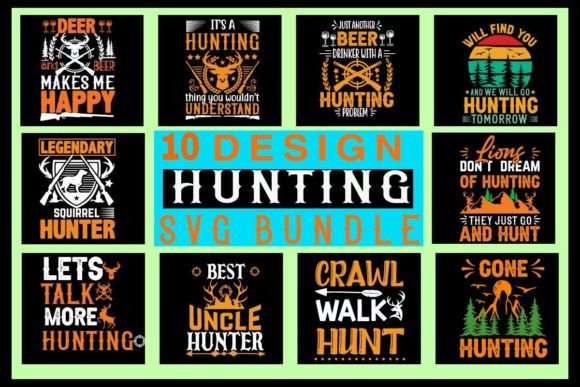
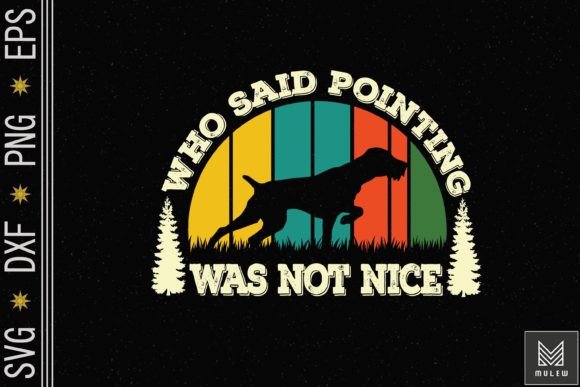
The mood of this design is classic field sport. It captures the relationship between a working dog and its quarry without feeling overly aggressive or cluttered. That restraint is important for an embroidery project because high detail in small spaces tends to get lost on textured fabrics like fleece or canvas. The visual layout feels balanced and dynamic, with the dog positioned in a natural point or retrieve stance. The duck and pheasant elements add context without overwhelming the central subject. This kind of composition works beautifully for a flat rate shipping tote bag or a left chest embroidery on a heavy sweatshirt. The design leans rustic and heritage driven, which appeals to a very loyal customer base. For a small shop owner, that means you are selling a feeling, not just a picture.
Because this comes as an SVG file and a transparent PNG, you have two distinct paths to a finished product. The SVG gives you a clean vector path for professional digitizing software. The PNG is ready for print on demand mockups or for iron on transfer production. That dual use saves time when you are building listings for your craft business. You can photograph a stitched sample, but you can also create a clean digital mockup for your Etsy storefront without stitching a single item first.
Real World Embroidery Performance
Let me walk you through a specific project I prepared using the Dog Training Duck Pheasant Hunting file. A regular client wanted a custom embroidered apron as a birthday gift for a hunting guide. The apron was a heavy cotton duck fabric in forest green. I imported the SVG into my digitizing software and adjusted the stitch density for the fill areas. The clean lines allowed me to assign a medium density tatami fill for the main dog body and a satin stitch edge for the outline. The duck and pheasant details required a slightly lighter density to prevent the fabric from puckering on the apron pocket.
I used a medium weight cutaway stabilizer and a sharp 75 11 needle to handle the thick fabric. The design stitched out cleanly with zero bird nesting or thread breaks. The client was thrilled because the finished product looked like a premium retail item, not a homemade patch job. That is the benchmark I use for any machine embroidery design. If I can stitch it once, adjust nothing, and hand it to a paying customer, it passes the test. This file passed. The Dog Training Duck Pheasant Hunting design gave me a professional result without requiring heavy editing or manual redrawing of the vector paths.
Thread Color and Contrast Notes
Because this is a graphic style design, thread color selection really matters. I tested it in a high contrast black and white mockup first. The silhouette held strong even without color. For my final stitch out, I used an olive drab for the dog body, a warm burnt orange for the pheasant chest, and a bright white underlay to make the duck stand out on the dark apron fabric. The transparent PNG was helpful for quickly layering thread colors in my mockup software before I committed thread to the machine. If you are new to embroidering hunting themed graphics, test your thread colors on a scrap piece of the actual fabric you plan to use. Some dark fabrics will swallow up dark brown thread, and you will lose the design completely.
Where This Design Shines in Your Craft Business
If you sell handmade products or run a custom apparel shop, this file is incredibly versatile. Here are the real applications where I see it performing best:
- Custom Apparel: Sweatshirts, t shirts, and hunting vests are the obvious winners. The design sits well on a back panel or a left chest placement. It also works for a cap front if you scale it appropriately and reduce the stitch density.
- Embroidered Patches: This style of graphic makes a fantastic iron on or sew on patch. You can stitch it onto twill fabric, cut it close to the edge, and finish it with a satin stitch border. Patches sell very well at craft fairs and on Etsy.
- Tote Bags and Aprons: These items are popular for personalized gifts. The design looks professional on a canvas tote bag or a bib apron. It adds perceived value and makes the item feel gift ready.
- Home Decor: I have tested it on a pillow cover and a kitchen towel. The stitching held up well after multiple washes, especially when I used a dense fill stitch and a quality stabilizer.
- Digital Products and Printables: Since you receive a transparent PNG and an SVG, this file is ready for card making, scrapbooking, mug pressing, and iron on transfers. If you sell digital design assets or craft supplies on a platform like Etsy, this fits perfectly in the Crafts and Graphics categories.
Where to Use This Design Carefully
No design is perfect for every surface, and honest product reviews must include caution. Here are the situations where I would test the Dog Training Duck Pheasant Hunting file before committing to a full production run:
- Small Hoop Sizes (4x4): If you plan to put this on a baby onesie or a small hat front, you need to scale it down carefully. Very thin areas, like the legs of the dog or the bill of the duck, can become fragile in a small hoop. Test a small stitch out first and consider simplifying the detail if the thread breaks.
- High Loft Fabrics: Fleece, beanie knit, and thick terry cloth can swallow fine details. Use a water soluble topper on top of the fabric to keep the stitches visible. This is a standard trick for embroidery on fuzzy surfaces.
- Curved Surfaces: Caps and curved pillbox hats require a special curved hoop or a very careful placement. The design needs to bend with the seam without distorting the dog's posture or the bird wings. If your digitizing software allows you to curve the design, use it.
- Stretchy T Shirts: Lightweight knit fabric can tunnel or pucker if the stitch density is too high. Use a cutaway stabilizer and a ballpoint needle. Reduce the density slightly in your digitizing software to allow the fabric to move naturally.
Practical Designer Notes for Production
Before you sell a single finished product using this file, run through my standard checklist. These steps save you from wasting materials and disappointing a customer.
- Test on Scrap Fabric: Always stitch the design on a piece of fabric that matches your final product. Check for puckering, thread breaks, and density issues. This is non negotiable for commercial embroidery.
- Check Contrast: View the design in grayscale. If the dog and the background blend together visually, your thread colors need more separation. Light colored thread on a light shirt will vanish.
- Evaluate Stitch Density: The SVG file gives you a clean vector, but your digitizing software controls the density. Too dense and the garment feels stiff. Too loose and the fabric peeks through. Adjust accordingly.
- Use the Correct Stabilizer: For tote bags and aprons, tear away stabilizer works. For sweatshirts and t shirts, use a cutaway stabilizer to prevent distortion over time.
- Confirm Licensing: The product is described as perfect for t shirts, iron ons, mugs, printables, card making, and scrapbooking. However, you must read the specific license agreement from the seller before using it for commercial mass production or reselling the digital file itself. When in doubt, ask the shop owner directly. Protecting your craft business means respecting intellectual property.
How This Design Affects Perceived Product Value
When a customer receives a custom embroidered item, they are paying for the material, the labor, and the design. The design is what gives the item its identity. A well composed graphic like Dog Training Duck Pheasant Hunting immediately signals that the product is intentional and premium. I have seen firsthand how a strong design increases customer trust and engagement. Buyers are more likely to leave a positive review and share a photo if the embroidery looks professional. For an Etsy seller or a small handmade shop, that social proof is invaluable. This file helps you build a consistent brand voice, especially if you sell outdoor or hunting lifestyle products.
Future Proofing Your Design Assets
Because you receive both an SVG and a transparent PNG, this is a long term asset for your creative business. The SVG will never lose resolution, so you can scale it for large back patches or small cap logos. The PNG is ready for digital mockups and printable transfers. Holding on to high quality design assets like this reduces the time you spend searching for new graphics every season. It also allows you to offer your customers a cohesive range of products, from embroidered hats to printed mugs, all featuring the same artistic theme.
At the end of the day, my job is to tell you whether a design works for real projects. The Dog Training Duck Pheasant Hunting file works. It stitched cleanly on my machine, it looked great on the finished apron, and it made my client happy. If you take the time to test your thread colors, use proper stabilizer, and respect the licensing terms, this design can be a reliable workhorse in your custom embroidery or craft product lineup. That is the kind of practical value that keeps a small business running smoothly and a creative maker excited about their next project.