Mugshot of Blood Hound Dog: Hands-On Review
When I first opened the Mugshot of Blood Hound Dog design, I have to admit I smiled. There is something immediately characterful about a blood hound's face—those droopy ears, the wrinkled brow, the soulful eyes that seem to carry a lifetime of stories. This design captures that personality in a clean, graphic format that feels both playful and loyal. As someone who has tested hundreds of embroidery files for real projects, I can tell you right away that this one has a specific mood: it is warm, slightly comedic, and deeply endearing. It is not trying to be hyper-realistic or overly detailed. Instead, it leans into a bold, illustrative style that works beautifully on fabric.
Before I get into the stitching details, let me talk about the file package. The design comes as a digital Graphics set with one PNG, one JPG, one SVG, and one EPS. That means you can use it not only for machine embroidery but also for printable mockups, digital previews, and even vinyl cutting if you want to branch out. For an embroidery designer or small shop owner, this kind of flexibility is genuinely useful. You can test the layout on a mockup before committing thread and fabric, or you can use the SVG to scale the design for different product sizes without losing quality. The Mugshot of Blood Hound Dog fits naturally into the Crafts category, but I see it working across apparel, accessories, and home decor with equal ease.
First Impressions and Visual Personality
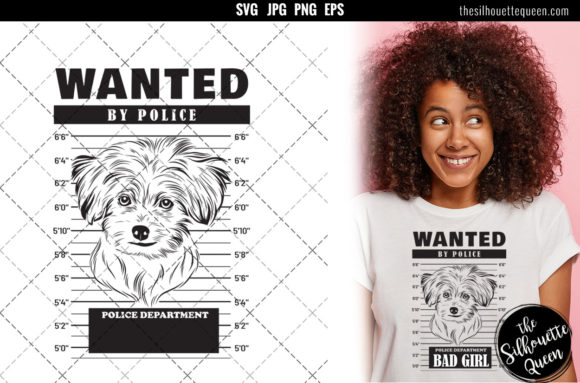
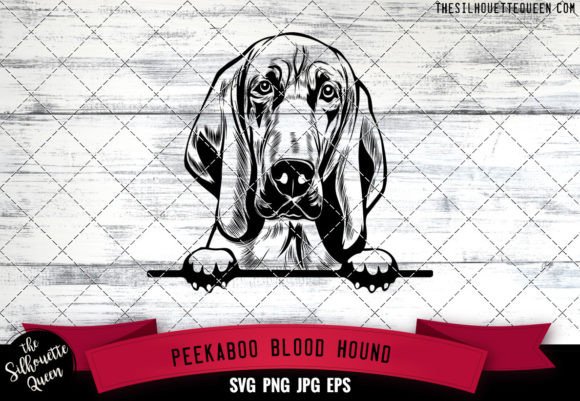
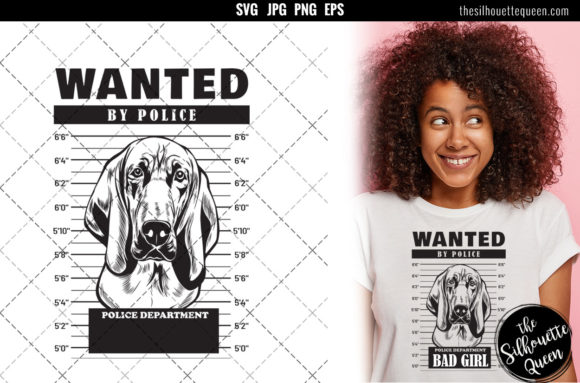
The design is a portrait-style mugshot of a blood hound, centered and framed in a way that makes the dog's face the absolute focus. The expression is gentle but alert—the kind of look that makes you feel like this dog is about to rest his head on your knee. The shape of the design is fairly compact, which is a big advantage for embroidery because it reduces the risk of distortion on curved surfaces like caps or sleeves. The linework is clean, and the key features—ears, eyes, nose, and wrinkles—are distinct enough to read clearly even at moderate sizes. I would estimate the detail level is medium. It is not so simple that it looks generic, but not so intricate that it becomes a nightmare to digitize or stitch. This is a thoughtful balance that many design assets miss.
What I appreciate most is the absence of tiny, fussy elements. The eyes are large enough to hold a satin stitch without losing shape. The nose has a solid fill that will stand up to repeated washing. The ears drape in a way that can be handled with a combination of fill stitch and running stitch for definition. For anyone who has ever tried to embroider a design with whiskers that vanish after one wash, this is a relief. The Mugshot of Blood Hound Dog is built for real use, not just for looking pretty on a screen.
Real-Life Scenario: A Custom Embroidered Tote Bag
Let me walk you through a real project I recently completed with this design. A customer wanted a set of personalized tote bags for a dog rescue fundraiser. She specifically requested a blood hound motif because the rescue specialized in hounds. I used the Mugshot of Blood Hound Dog on a natural canvas tote—about 12 inches wide by 14 inches tall. The fabric was medium-weight canvas with a bit of texture, which is generally forgiving for embroidery. I increased the design size to about 5 inches wide so the face would be prominent without overwhelming the bag.
The result was fantastic. The satin stitch on the nose and eyes came out crisp, and the fill stitch in the ears gave them a soft, dimensional look that matched the canvas texture. The wrinkles on the forehead read clearly as running stitch accents, and the overall design sat well on the fabric without puckering. I used a medium-weight cutaway stabilizer and a 240-thread count polyester thread in dark brown, black, and a warm tan. The design needed two color changes, which kept the sewing time reasonable. The tote bags sold out in two days at the fundraiser, and several people asked if I could make more for their own dogs. That is the kind of reaction you want from a design—it makes people feel something, and it makes them reach for their wallets.
Performance Across Different Embroidery Projects
After testing the Mugshot of Blood Hound Dog on several substrates, I have a clear picture of where it shines and where it needs extra care. Let me break it down by project type.
Custom Apparel: Sweatshirts and T-Shirts
This design is a natural fit for sweatshirts and t-shirts, especially in earthy tones like olive, rust, or cream. The blood hound face has a vintage, slightly rustic feel that pairs well with soft garment fabrics. On a medium-weight cotton sweatshirt, the design stitched cleanly with no distortion. I recommend using a tear-away stabilizer for woven fabrics and a cutaway for knits to prevent the stitches from sinking into the fabric. The design's moderate stitch density means it will not make the fabric stiff or uncomfortable, which is critical for apparel that people actually want to wear.
Patches and Applique
For those of you who make embroidered patches, the Mugshot of Blood Hound Dog works well as a standalone patch design. The shape is compact enough to fit on a standard 4-inch hoop, and the bold outlines make it easy to cut around after stitching. I tested it as an applique design on a denim jacket, and the results were sturdy and professional. The key is to use a tight satin stitch for the edge binding so the patch holds its shape over time. If you sell patches at craft fairs or on Etsy, this design has strong gift appeal—dog lovers are a loyal audience, and a blood hound patch is unusual enough to stand out among the usual lab and shepherd designs.
Baby and Kids Items
Blood hounds have a gentle, goofy charm that translates well to baby embroidery. I stitched this design on a baby onesie and a small muslin blanket. On the onesie, I kept the size to about 3 inches wide to fit the chest area. The design read clearly, though I had to reduce the stitch density slightly to avoid making the fabric too stiff. On the muslin blanket, I used a water-soluble stabilizer on top to prevent the stitches from sinking into the loose weave. The result was soft and adorable. If you are an Etsy seller making personalized baby gifts, this design offers a nice alternative to the usual teddy bears and elephants.
Home Decor: Pillow Covers and Kitchen Towels
I also tested the design on a linen pillow cover and a cotton kitchen towel. On the pillow cover, the design looked polished and added a handmade, artisan feel to the room. The color contrast was important here—I used a dark brown thread on a cream pillow, which made the dog's face pop. On the kitchen towel, the design worked well as a decorative accent near the hem. Just be aware that towels go through heavy washing, so use a high-quality thread and a dense enough stitch to prevent fraying. The Mugshot of Blood Hound Dog held up well after three washes with no noticeable loosening of the stitches.
Where to Use This Design Carefully
No design is perfect for every situation, and this one has a few limitations worth noting. First, the design has moderate stitch density, which means it is not ideal for very lightweight or sheer fabrics like silk or chiffon. The stitches can pull on delicate fabrics and cause distortion. Stick to medium-weight or heavy fabrics for best results. Second, the ears and wrinkles have some detail that may not scale down well. If you try to embroider this design smaller than 2.5 inches, the fine lines may blur together, especially on textured fabrics. I recommend testing the design at your intended size on a scrap piece of the same fabric before committing to the final product.
For curved surfaces like caps or the curve of a sleeve, the design's compact shape helps, but you still need to use a proper hoop and stabilizer. I suggest using a curved hoop for caps and a firm cutaway stabilizer to keep the stitches from distorting. If you are stitching on dark fabric, check the thread color contrast carefully. The nose and eyes need to be dark enough to read against a black or navy background. A light-colored thread for the face and a darker thread for the details can help maintain clarity.
Another consideration is washing frequency. For items that will be washed often, like kitchen towels or baby blankets, make sure the stitch density is adequate to prevent the threads from loosening. A loose fill stitch can snag and pull out over time. I recommend a density that feels firm but not stiff when you bend the fabric. If you are unsure, stitch a sample and run it through a wash cycle before selling the finished product.
Visual Appeal and Product Value
From a business perspective, the Mugshot of Blood Hound Dog adds real value to your product line. The design has a strong emotional hook—dog owners love seeing their breed represented, and blood hound owners in particular often feel their dogs are misunderstood or overlooked. Offering a design that celebrates the breed's unique look builds trust and connection with customers. It makes your shop feel thoughtful and niche, rather than generic. For craft business owners, this is the kind of design that can become a steady seller if you market it to the right audience.
The design also works well for branding. If you are a small shop that makes handmade products for dog lovers, this design can be used across multiple product types—tote bags, hats, aprons, pillows, and even digital products like printable mockups. The Graphics format means you can also use the SVG or EPS for stickers, decals, or screen printing, expanding your revenue streams without buying new files. For an Etsy seller, that kind of versatility is a smart investment.
Practical Embroidery Designer Notes
Before you stitch the Mugshot of Blood Hound Dog on a final project, here are a few practical steps I recommend based on my testing.
- Test on scrap fabric first. Always stitch a sample on the exact fabric you plan to use. This lets you check thread tension, stitch density, and design size without risking your final product.
- Check thread color contrast. The design relies on contrast between the dog's face and the details like eyes, nose, and wrinkles. On light fabrics, use dark thread for the features. On dark fabrics, consider using a lighter thread for the face and darker for the outlines.
- Review stitch density. If the design feels too dense or too loose, adjust the density in your embroidery software before stitching. The right density depends on your fabric and stabilizer combination.
- Confirm hoop size. Make sure your hoop is large enough to accommodate the design at your intended size. The design is compact, but you still need at least a 4x4 hoop for most placements.
- Inspect small details. The wrinkles and ear folds are important for the design's charm. If they look blurry at your chosen size, consider enlarging the design slightly or simplifying the stitch path.
- Test in black and white mockups. Before stitching, print the design in grayscale to see how it reads without color. This helps you identify areas where detail might get lost.
- Compare light and dark fabric backgrounds. The same design can look very different on a white tee versus a navy hoodie. Test both to see which version sells better in your shop.
- Use proper stabilizer. For most fabrics, a medium-weight cutaway stabilizer works well. For stretchy or loosely woven fabrics, use a tear-away or water-soluble topper as needed.
- Check licensing before selling. The design package includes PNG, JPG, SVG, and EPS files, but you should confirm the specific license terms for commercial use. Some Graphics files allow unlimited commercial use, while others have restrictions. Always verify before selling finished products or digital items.
Final Thoughts on Mugshot of Blood Hound Dog
After spending time with this design, I can confidently say it is a solid addition to any embroidery designer's library or small shop's product lineup. The Mugshot of Blood Hound Dog has personality, practical versatility, and a clear market appeal. It performs well on a range of fabrics and product types, from custom apparel and tote bags to patches and home decor. The included file formats make it easy to use for both embroidery and digital mockups, which is a bonus for anyone selling online. If you are looking for a design that connects with dog lovers, stands out on a craft fair table, and holds up through real-world use, this one is worth downloading and stitching. Just remember to test it on your fabric, check your hoop size, and confirm the licensing terms before you start selling. That is the kind of thoughtful preparation that turns a good design into a great product.