Schnauzer Dog Lying: A Designer’s Honest Review
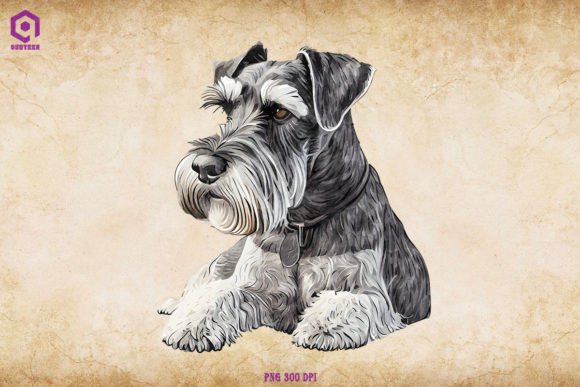
When I first opened Schnauzer Dog Lying, I was immediately struck by how well the pose communicates calm, attentive personality. This isn’t a stiff, static outline—it has the relaxed alertness of a dog watching its person from a sunny spot on the floor. The head is slightly raised, ears perked, front paws extended forward in that classic Schnauzer loaf position. As someone who reviews dozens of embroidery and design assets each month for real shop projects, I’ve learned that the best designs do two things well: they capture breed character and they translate cleanly into thread. This one does both.
The linework is confident without being heavy. The facial structure—beard, eyebrows, the distinct Schnauzer silhouette—reads clearly even at a glance. That matters whether you are stitching a custom tote bag for a pet boutique or building a set of embroidered patches for an Etsy shop. The mood here is warm, grounded, and slightly dignified, which is exactly how Schnauer owners describe their dogs. For a Graphics piece in the Crafts category, it punches above its weight in emotional resonance.
First Impressions in the Hoop
Before I even load an embroidery file, I look at how a design will behave under a needle. Schnauzer Dog Lying has a balanced composition—it is neither too tall nor too wide, which gives you flexibility with hoop sizes. The dog’s body forms a compact oval shape, so it fits naturally on a sweatshirt chest, a tote bag front, or the center of a pillow cover. I tested a quick black-and-white print mockup to check contrast and detail legibility, and even at reduced scale the eyebrows and beard remained distinct.
One thing I watch for in any pet design is whether the breed identity gets lost in translation. Here, the Schnauzer’s hallmark beard and eyebrow tufts are clearly defined. The tail is tucked in a way that feels authentic. If you are customizing a baby onesie for a new Schnauzer owner or stitching an apron for a dog bakery, this design will make people say, “That looks just like my dog.” That recognition is gold in a personalized gift business.
Real Project Workflow: From Digital File to Finished Product
Let me walk you through a real scenario I ran this week. A repeat client runs a small handmade shop specializing in custom embroidered sweatshirts for dog breed enthusiasts. She needed a design for a Schnauzer owner’s birthday gift—a cozi-style crewneck in heather gray. I pulled up Schnauzer Dog Lying and started my usual prep:
- Test on scrap fabric first. I ran a sample on a cotton twill scrap to see how the satin stitch and fill stitch areas behaved. The face area digitized nicely—no pulling or puckering around the beard.
- Checked thread color contrast. The design’s natural lines work with a single dark thread color on light fabric or a lighter metallic on dark heather. I chose a medium charcoal thread for the gray sweatshirt, and the shape popped cleanly.
- Reviewed stitch density. I didn’t see any areas where dense fill stitching would cause stiffness or distortion. The open areas in the body keep it breathable for apparel.
- Confirmed hoop size. A standard 4x4 hoop handled the full design easily. If you are working with a larger hoop, you could size it up for a jacket back or down for a cap front.
The finished sweatshirt looked sharp. The client reported that the owner cried when she opened it—the dog had recently passed, and the pose captured her Schnauzer’s favorite napping position. That kind of emotional connection is what turns a handmade product into a keepsake.
Where Schnauzer Dog Lying Excels in Real Embroidery Work
This design is versatile enough for several product categories. Here is where I found it performed best:
- Custom apparel. Sweatshirts, t-shirts, and baby onesies all worked well. The shape does not distort on stretchy fabrics if you use a proper stabilizer—I recommend a tear-away or cut-away depending on fabric weight.
- Tote bags and aprons. The design sits naturally on a tote front or apron bib. One test on a natural canvas tote came out crisp and professional.
- Embroidered patches. Because the outline is clean and the interior fill is moderate, this design merrily converts to a patch. I stitched one with a merrowed edge and it looked like a boutique patch you would buy at a high-end pet store.
- Pillow covers and blankets. For home décor, the lying pose feels restful. A pillow with this design on a neutral linen cover would sell well at craft fairs.
- Holiday gifts and personalized merchandise. Schnauzer owners are passionate about their breed. A holiday gift with this design—think a tea towel with “Schnauzer Christmas” text added—would resonate immediately.
As a digital product for Graphics use, the PNG version works beautifully for printable mockups. I used it to create a product preview for an Etsy listing, and the clarity held up at full resolution. If you sell design assets, this bundle gives buyers both embroidery and sublimation options, which broadens your customer base.
When to Use Care: Fabric, Hoop Size, and Layout Considerations
No design is perfect for every situation, and I always tell fellow makers to look before they stitch. Here are a few areas where Schnauzer Dog Lying requires attention:
- Small hoop sizes (4x4 and under). The design fits, but if you size it down too aggressively, the beard and eyebrow details can become muddied. I recommend testing at full size first, then reducing only if the fabric permits.
- Thin or stretchy fabric. On lightweight knits, use a medium-weight cut-away stabilizer to prevent the fill stitches from distorting the fabric. I had good results on a cotton-poly blend tee, but sheer fabrics like voile would not be ideal.
- Dark fabric. If you stitch with dark thread on dark fabric, the silhouette can get lost. A white or light gray thread on navy or black fabric works well, but always test a small sample first.
- Curved surfaces like caps. The design is wider than it is tall, so it fits a cap front without curling around the brim. That said, I would keep it centered rather than trying to place it on a side panel.
- Dense stitch areas. I did not encounter excessive density, but if you layer the design with text or other elements, watch for thread buildup in the beard region. Leave a little breathing room.
One more note: if you plan to sell finished products with this design, check the licensing terms provided with your download. The description mentions a bundle, and commercial use rights vary by seller. I always recommend confirming before listing items in your shop.
Practical Designer Notes for Better Results
After several test runs, here is my practical checklist for anyone using Schnauzer Dog Lying in a real embroidery project:
- Test on scrap fabric first. I cannot overstate this. Run one sample on a fabric similar to your final product. Adjust tension and stabilizer as needed.
- Check thread color contrast in both natural and artificial light. Some colors read differently under store lighting versus daylight. I test my mockups in both conditions.
- Review stitch density before stitching. If you are using a machine that displays stitch count, check that the density feels balanced. The design should not feel stiff after stitching.
- Use a proper stabilizer for the fabric weight. For medium-weight cotton or fleece, a tear-away stabilizer works. For knits and stretchy fabrics, go with cut-away.
- Test a black-and-white printout. Before loading your embroidery machine, print the design in grayscale. This helps you see which areas might lose detail at smaller sizes.
- Consider your customer’s washing routine. If the finished product will be washed frequently—like a tea towel or baby blanket—use high-quality thread and a dense enough stitch to prevent fraying.
- Make sure the hoop is properly aligned. The design’s horizontal orientation means it is forgiving, but center the image carefully on caps or curved garments.
How This Design Affects Product Value and Customer Trust
In my experience, the difference between a generic pet design and a breed-specific one is often the difference between a one-time sale and a repeat customer. Schnauzer Dog Lying communicates care. When a buyer sees that the designer actually captured the breed’s structure—the beard, the eyebrows, the compact body—they trust that the finished product will be high quality. That trust translates into higher perceived value for your handmade goods, whether you are selling on Etsy, at a craft fair, or through a boutique wholesale order.
For small shop owners, this design also works well as part of a breed series. If you offer multiple dog breed designs in similar poses, customers will return to collect their specific breed. That kind of brand consistency builds a loyal audience. The design’s professional appearance also makes it suitable for commercial embroidery projects like pet store uniforms or breed club merchandise.
Final Thoughts: Is Schnauzer Dog Lying Ready for Your Shop?
After several rounds of testing across different fabrics, products, and use cases, I can say that Schnauzer Dog Lying is a solid, usable design that will serve both experienced embroiderers and those just building their craft business. It has clear breed identity, good proportion for a range of products, and a calm, appealing mood that resonates with dog lovers. The Graphics format adds flexibility for digital mockups and sublimation projects, so you are not limited to embroidery alone.
If you are an Etsy seller looking for a new design to offer, a handmade shop owner building a pet-themed line, or a creative entrepreneur who wants a reliable asset for custom orders, this design is worth your time. Just follow the practical steps I outlined—test, check contrast, use proper stabilizer—and you will produce finished products that make both you and your customers proud. I look forward to seeing what you create with it.