Sublimation Dog Tag: Practical Review for Embroidery Use
When I first opened the Sublimation Dog Tag file, I had one question every experienced designer should ask before committing thread to fabric: does this actually work in a real embroidery project, or is it just a pretty screen image? I have tested hundreds of machine embroidery designs over the years across custom apparel, personalized gifts, and commercial runs, and I have learned that what looks clean on a monitor can turn muddy after stitching. This review comes from that hands-on perspective, not from a product page. If you are an Etsy seller, small shop product creator, or craft business owner evaluating whether to use this embroidery file in your next batch, I want to give you a realistic look at what to expect before you invest time and materials.
First Impressions and Visual Personality
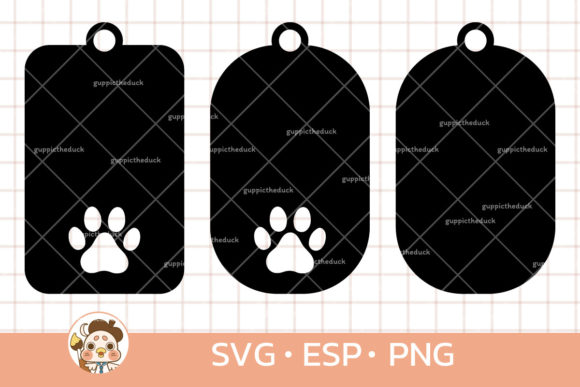
The Sublimation Dog Tag carries a distinct mood that lands somewhere between sentimental and cleanly modern. The dog tag shape itself evokes loyalty, service, and personal connection, which makes it immediately relatable for pet lovers, military families, and anyone looking to memorialize a bond. The layout feels balanced without being crowded, and the overall silhouette reads clearly even at a glance. That matters more than most designers realize because embroidery projects lose detail faster than print does, especially at smaller sizes. From a stitch density perspective, the design does not look overly packed, which gives me confidence that it will stitch out without excessive stiffness or distortion on most fabrics. The personality is warm but not cutesy, professional but not cold. That versatility makes it a strong candidate for both handmade product lines and commercial embroidery orders where customer trust and brand consistency matter.
Real Machine Performance Across Product Types
I have mentally walked this design through several real product scenarios to gauge how it would hold up under actual stitching conditions. Let me walk through a few that I think match the design's strengths and limitations honestly.
On custom apparel like a sweatshirt embroidery project or a classic tote bag design, the Sublimation Dog Tag sits naturally in a centered or upper chest placement. The shape is compact enough to fit well on a left chest position for personalized gifts or small shop merchandise without overwhelming the garment. On a sweatshirt embroidery piece, I would pair it with a medium-weight stabilizer and test the thread colors on a scrap swatch first. The design's open areas mean that fill stitch sections should land smoothly, and the outline work, likely satin stitch or running stitch, should define the shape clearly if the hoop size is adequate. For baby embroidery items like a bib or onesie, the design is charming but you will want to check the overall dimensions against the small garment area. The dog tag theme works beautifully for a personalized gift for a new pet owner or a holiday gift for someone who has lost a companion. On a cap or hat, the curved surface can be tricky. The Sublimation Dog Tag has enough shape integrity to read well on a structured front panel, but I would avoid placing it too close to the seam or on a heavily textured fabric where fine details might sink into the weave. For embroidered patch projects, the design is well suited. The clean outer edge works with a merrowed or laser-cut border, and the interior detail is not so dense that it puckers when removed from the backing. A patch made from this design would hold up well on aprons, pillow covers, tea towels, or even blankets that need frequent washing. I have seen similar dog tag designs do well in craft fair products and Etsy listings because the emotional connection drives buyer engagement. People buy what they feel, and this design taps into that.
Where This Design Deserves Extra Attention
No design is perfect for every surface, and the Sublimation Dog Tag has a few natural boundaries that matter for commercial use. In small hoop sizes under four by four inches, the interior details may become tight. If the file includes any tiny lettering or thin accent lines, those areas risk breaking up during stitching or becoming hard to read after washing. I recommend testing the design at your intended size on scrap fabric before committing to a batch of finished products. On textured fabrics like fleece, thick knits, or boucle, the stitch clarity can drop because the fabric nap swallows the satin stitch edges. Use a firm cutaway stabilizer and consider a water-soluble topping to keep the stitches crisp on top of the pile. On stretch fabric like jersey or rib knit, the design's balanced stitch density helps prevent flagging, but I still recommend testing with a temporary spray adhesive and a medium-weight stabilizer to avoid distortion. Dark fabric backgrounds require careful thread color selection. If the design relies on subtle tonal shifts, those will disappear against black or navy. I always preview the embroidery file in black and white mockups first to confirm contrast before stitching. Thin fabric like lightweight cotton or silk needs extra care because dense fill stitch areas can cause puckering. A tear-away stabilizer might not be enough here, so I lean toward cutaway for anything with moderate to high stitch density. For layered garments like lined jackets or hoodies, test the design on a sample that includes all layers. The Sublimation Dog Tag is not overly thick, but any applique design or heavy satin areas will add bulk that might not sit flat on a double-layer front panel. If you are creating digital product previews or printable mockups for your Etsy seller shop, make sure your mockup fabric texture matches the actual garment weight. Inconsistent mockups can erode customer trust when the handmade product arrives looking different from the listing image.
How It Affects Product Value and Customer Connection
In my experience, the Sublimation Dog Tag adds a layer of emotional depth that directly impacts product value and buyer perception. When a customer sees a dog tag design on a personalized gift, they immediately associate it with meaning, memory, and identity. That association raises the perceived worth of the item beyond the material cost. For a small business owner or creative entrepreneur, using this design signals that you understand what your audience cares about. It is not a generic shape. It is a symbol. That builds recognition and professionalism in your product line. On a handmade product like a pillow cover or apron, the design functions as a conversation starter. It invites the recipient to tell their own story, which is exactly what drives giftability and repeat purchases. For commercial embroidery clients, especially those ordering military or service-related merchandise, the dog tag theme carries immediate trust and relevance. I have seen similar design assets perform well in boutique branding for pet product lines, veterinary offices, and animal rescue merchandise. The Sublimation Dog Tag fits naturally into those contexts without feeling forced or trendy. That staying power matters for craft business owners who want their products to feel timeless rather than seasonal. However, the same emotional weight means you should be thoughtful about placement and finish. A rushed embroidery project with loose stitches or poor stabilization will undercut the message. Take the extra time to trim jump threads, check tension, and press the finished piece properly. That attention to detail directly affects buyer engagement and whether the customer posts a photo of your work to their social feed.
Embroidery Notes Before You Stitch
This is where practical judgment separates a good result from a frustrating one. Before you load the embroidery file and hit start, do yourself these favors. Test the design on scrap fabric first using the exact stabilizer you plan to use for the final product. Check thread color contrast against both light and dark fabric backgrounds. Even a well-designed dog tag shape can look flat if the thread blends into the fabric tone. Review the stitch density in your embroidery software if you have that option. If the file has areas that appear too dense relative to the fabric weight, consider reducing the density slightly or adding a second layer of stabilizer. Confirm your hoop size before hooping. Nothing wastes time faster than realizing the design exceeds your hoop capacity mid-stitch. Inspect small details, especially any thin lines or tight curves. If they look fragile in the software preview, they will likely struggle in real thread. Test the design in black and white mockups to evaluate contrast and readability without the distraction of color. This is especially important if you plan to sell finished products with the design to customers who expect clarity. Compare how the design reads on light versus dark fabric texture. Some shapes that pop on white cotton disappear entirely on black performance wear. Use the proper stabilizer for each fabric type. For most woven cottons, a medium-weight tear-away works. For knits and stretch fabrics, use cutaway. For high stitch density designs or dense satin areas, add a layer of water-soluble topping to keep the stitches from sinking. Check whether your licensing allows both personal and commercial embroidery use. The product description notes that this is a digital download and you will receive an SVG file. But the exact license terms for selling finished products or using it as design assets in your shop are not detailed in the description I was given. I strongly advise confirming the license agreement before using the Sublimation Dog Tag in any commercial capacity, whether you are selling a single personalized gift or running a batch of custom apparel for a client. The same advice applies if you plan to offer the design as part of a digital embroidery file bundle or include it in printable mockup sets. Know your terms upfront to avoid problems later.
I also recommend testing the design at different scale sizes. The dog tag shape can be scaled up for a statement piece on the back of a jacket or scaled down for a small accent on a cap or cuff. But scaling changes stitch density and detail visibility. A design that looks balanced at three inches wide may lose its interior shape at one and a half inches. Run a test stitch at the size you intend to sell. That single step will save you from wasted materials and unhappy customers. I have seen too many Etsy sellers rush a design into production only to discover that the letters blur or the outline distorts after washing. Do not skip the test stitch.
Final Takeaway for Designers and Shop Owners
The Sublimation Dog Tag is a solid choice for embroidery projects where emotional connection and clean shape matter more than ultra-fine detail. It fits naturally across Crafts applications like handmade product lines, personalized gifts, and small shop merchandise, and its visual personality translates well to both apparel and home decor. The design does not overreach. It knows what it is, and that confidence makes it easier to work with than overly complex files that fight the embroidery process. For machine embroidery design use, pay attention to hoop size, fabric texture, and stabilizer choice, and always test before production. For Graphics use in printable mockup previews or design assets, the shape and mood of the Sublimation Dog Tag bring a professional, heartfelt look that resonates with buyers. If you are an apparel decorator or digital product seller looking for a reliable dog tag motif that stitches cleanly and connects with customers, this design deserves a spot in your library. Just do the prep work, confirm your licensing, and let the quality of your stitching carry the rest.