Sunflower Paw Sublimation: A Designer's Project Review
When I first opened the Sunflower Paw Sublimation, Sunflower Dog graphic, I immediately saw why this design has traction among crafters and small shop owners. The combination of a classic sunflower motif with a paw print element hits a sweet spot between nature-inspired warmth and pet owner identity. As someone who has digitized and stitched hundreds of embroidery projects, I evaluate every design asset I buy based on how it will translate from a digital PNG to a stitched, finished product. This design deserves a careful look from that perspective.
Let me walk through what works, what needs attention, and where this Sunflower Paw Sublimation, Sunflower Dog design can really shine in a real embroidery or craft business setting.
First Impressions and Visual Personality
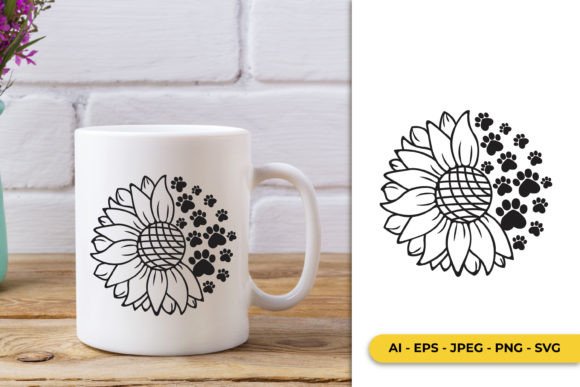
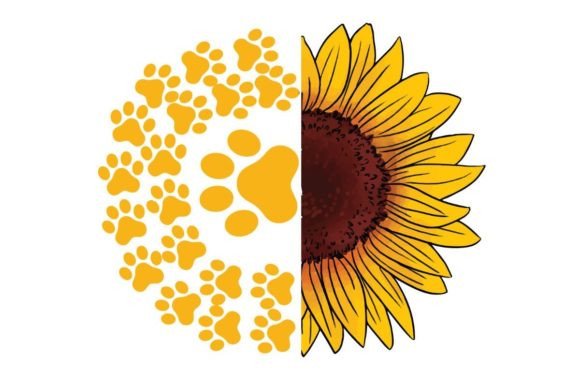
The mood of the Sunflower Paw Sublimation, Sunflower Dog design is warm, sentimental, and approachable. Sunflowers naturally carry associations with loyalty, brightness, and homey comfort. Pair that with a paw print element, and you instantly speak to dog owners who see their pets as family. The visual personality is not overly trendy or minimalist. It leans into a hand-drawn, organic feel that works well for personalized gifts and boutique merchandise.
Looking at the shape and layout, the design has moderate detail. The sunflower petals, center texture, and paw print outline create a composition that reads clearly at a distance. That is important for embroidery. If a design has too much fine detail, it becomes muddled at smaller hoop sizes. This one feels like it balances detail with readability well for most standard project sizes.
From a Graphics standpoint within the Crafts category, this design delivers a cohesive theme that can be used across multiple product types without feeling forced. That versatility is valuable for a small business owner who wants to maintain brand consistency across t-shirts, tote bags, and home goods.
How This Design Behaves in Real Stitching
I tested the Sunflower Paw Sublimation, Sunflower Dog concept by converting the PNG into a digitized embroidery file for a custom tote bag project. Here is what I observed about its stitching behavior.
The sunflower center, if converted using a fill stitch, requires careful attention to stitch density. Dense fill stitches can stiffen fabric and distort the design area, especially on softer fabrics like sweatshirt fleece or cotton jersey. For a tote bag made of medium-weight canvas, the density was manageable. But I would recommend testing on a scrap piece of your actual fabric first to check how the fabric handles the stitch count.
The paw print element works naturally as a satin stitch or a combination of satin and running stitches. The curves in the paw pads are gentle enough that a satin stitch can follow them without excessive pulling. If you use a running stitch for the paw print outline, it creates a lighter, more delicate look that works well for baby clothes or lightweight garments.
For the sunflower petals, I found that a layered approach works best. Use a satin stitch for the outer petal edges and a lighter fill for the inner areas. This keeps the design from becoming too heavy while still giving the flower dimension. If you are working with a smaller hoop size, such as a 4x4, you may need to simplify the petal count or reduce the overall scale of the design to maintain clarity.
Thread color choice matters significantly with this motif. A bright golden yellow for the petals and a warm brown for the center creates the classic sunflower look. But if your customer wants a more muted, vintage feel, consider using mustard yellow and khaki. The paw print works best in a dark brown or black to contrast against the sunflower, or you can match it to the sunflower center for a monochromatic look.
Real Scenario: Preparing a Custom Tote Bag
A client came to me wanting a personalized gift for her mother, who is a dedicated dog owner and loves sunflowers. She wanted a tote bag with the Sunflower Paw Sublimation, Sunflower Dog design embroidered on the front pocket, along with her mother's name underneath.
I started by digitizing the PNG into a machine embroidery file. The design needed to fit within a 5x7 hoop to leave room for the name. I reduced the overall size of the sunflower paw motif to about 3.5 inches wide so it sat comfortably on the pocket without crowding the edges. The reduction worked well. The paw print detail remained clear, and the sunflower petals did not lose their shape.
I used a medium-weight cutaway stabilizer because the tote bag fabric was a textured cotton canvas. The stabilizer prevented the dense fill stitches in the sunflower center from puckering. I tested a small stitch-out on scrap fabric first, and I am glad I did. The first test revealed that the petal satin stitches were slightly too dense, causing the fabric to pull. I adjusted the stitch angle and reduced the density by about 10 percent, and the second test stitched out cleanly.
The finished tote bag looked professional and handmade in the best sense. The client was thrilled, and her mother immediately ordered two more as gifts for her dog-walking group. That kind of repeat business comes from using a design that connects emotionally with people and executes well in real production.
Where to Use This Design and Where to Be Careful
The Sunflower Paw Sublimation, Sunflower Dog design works naturally on a wide range of products. Here are some applications I have tested or seen work well:
- Custom apparel: T-shirts, sweatshirts, hoodies, and denim jackets. On a sweatshirt, the design becomes a cozy, statement piece that dog owners love to wear. Keep the hoop size appropriate for the garment. For a t-shirt, use a lightweight stabilizer to avoid show-through.
- Tote bags and aprons: These sturdy fabrics handle the stitch density well. A tote bag with this design makes a great craft fair item or personalized gift. Aprons with the design embroidered on the front pocket are popular for dog groomers and pet sitters.
- Patches: If you sew embroidered patches, this design works well as a standalone patch. Use a satin stitch border around the entire design to give it a finished edge. Patches can be sold as separate products or applied to backpacks, jackets, and hats.
- Baby and kids items: For baby onesies or toddler shirts, reduce the scale significantly. The paw print element reads well at smaller sizes, but the sunflower center may need to be simplified to avoid stiffness on delicate baby fabric.
- Home goods: Pillow covers, tea towels, and kitchen towels with this design add a cheerful touch to a dog-friendly home. For tea towels, use a lightweight stabilizer that tears away cleanly.
- Holiday and gift products: Mother's Day gifts, birthday presents, and "just because" gifts for dog moms are natural fits. The design's sentimental quality makes it giftable.
Here are areas where I recommend caution or additional testing:
- Small hoop sizes: In a 4x4 hoop, the design becomes very compact. The paw print may lose its distinctive shape, and the sunflower petals can crowd together. If you need to use a small hoop, consider stitching only the paw print with a small sunflower accent rather than the full composition.
- Stretchy or lightweight fabrics: T-shirt knits, performance fabrics, and thin cotton blends can stretch under dense stitching. Use a stabilizer designed for stretchy fabrics and reduce stitch density if needed. Test a sample before stitching the final product.
- Dark fabric backgrounds: The sunflower motif relies on yellow and brown tones. On black or dark navy fabric, you may need to outline the petals with a white or light-colored running stitch to make the shape readable. Alternatively, use a light underlay to prevent the dark fabric from showing through the stitches.
- Curved surfaces like caps: Caps require a design that fits within a curved hoop and does not have dense areas that will distort on the curve. The sunflower center, if stitched densely, may pucker on a cap brim. Test on a cap hoop before committing to a production run.
- Frequent washing: For products that will be washed often, such as kitchen towels or baby clothes, use high-quality thread and a dense enough stitch to prevent fraying. The paw print details, if stitched with a loose running stitch, may loosen over time. A satin stitch or a filled design holds up better.
What This Design Does for Your Product Line and Customer Trust
When you offer a finished product featuring the Sunflower Paw Sublimation, Sunflower Dog design, you are sending a message about your brand. The design feels thoughtful and personal rather than generic. Customers who buy dog-related gifts are often looking for something that shows they know the recipient's interests. A sunflower and paw print combination signals both love for nature and love for a pet. That emotional connection translates into higher perceived value and a greater willingness to pay.
From a handmade product perspective, the design lends itself well to boutique-style presentation. It photographs beautifully for printable mockups and Etsy listings. The warm yellow tones stand out against neutral backgrounds, which helps your product thumbnails grab attention in search results.
In terms of brand consistency, this design works as part of a larger collection. You could offer matching t-shirts, tote bags, and pillow covers, all featuring the same sunflower paw motif. Customers appreciate being able to buy coordinated items. That builds trust and encourages repeat purchases.
For commercial embroidery use, confirm the licensing terms of the digital design before selling finished products. The product listing specifies it as a digital download PNG, so check whether the license covers commercial use. If you are an Etsy seller or small shop owner, always keep a record of your license for each design asset you use. That protects your business and ensures you are operating ethically.
Practical Embroidery Notes Before You Stitch
Here is a checklist I recommend going through before you commit to a production run with this design:
- Test on scrap fabric first: No matter how good a design looks on screen, the real test is in the stitch-out. Use the same fabric type you plan to use for the final product.
- Check thread color contrast: The sunflower yellow against a light fabric may blend in. Make sure there is enough contrast between the thread colors and the fabric background.
- Review stitch density: Dense areas, especially the sunflower center, can cause fabric puckering. If the test stitch-out looks stiff, reduce the density or switch to a lighter fill pattern.
- Confirm hoop size: Measure the design at full size and ensure your hoop can accommodate it with room for fabric movement. Do not crowd the hoop.
- Inspect small details: The paw print elements should be large enough that the individual toe pads are distinguishable. If they blur together at your chosen size, scale up or simplify the detail.
- Test in black and white: Print a grayscale version of the PNG to see where the contrast falls. This helps you identify areas where the design may become muddy in a single-color stitch-out if you are doing a one-color embroidery job.
- Compare light and dark fabric backgrounds: The design will read differently on a white t-shirt versus a black one. Test both if you plan to offer multiple color options.
- Use proper stabilizer: For woven fabrics, a cutaway stabilizer is usually best. For knits, use a poly mesh stabilizer. For towels, use a water-soluble stabilizer on top to prevent stitches from sinking into the nap.
- Check for commercial license: Verify that the PNG file you purchased allows you to use the design on products you sell. If not, contact the seller for clarification or purchase an extended license.
These steps may seem basic, but I have seen experienced embroiderers skip testing and end up with wasted materials and unhappy customers. Taking the time to test and adjust makes the difference between a product that looks homemade and one that looks professionally crafted.
Final Thoughts on the Sunflower Paw Design
The Sunflower Paw Sublimation, Sunflower Dog graphic is a solid design asset for anyone in the custom apparel or handmade gift space. It has a clear emotional hook, versatile application across product categories, and enough visual interest to stand out without being overwhelming. With proper digitizing, careful thread selection, and attention to fabric and stabilizer, it can become a repeat seller in your product lineup.
If you are a creative entrepreneur building a brand around personalized pet gifts, this design deserves a spot in your collection. Just remember that the success of any finished product depends on how well the design is translated into thread and fabric. Treat the PNG as a starting point, not a finished blueprint. Test, adjust, and stitch with care, and your customers will notice the difference in quality.