Dachshund Peekaboo Dog Face Review for Embroidery Projects
When you work with machine embroidery day in and day out, you develop an eye for designs that will stitch out cleanly and those that will cause trouble. Dachshund Peekaboo Dog Face landed in my project queue last week, and after stitching it across several test runs, I want to share what I found. This review comes from the perspective of someone who has prepped hundreds of embroidery files for client orders, shop inventory, and personal gifts. If you are an Etsy seller, a small shop owner, or a hobbyist looking to understand what this design actually delivers before you commit hoop time, read on.
First Look and the Mood It Creates
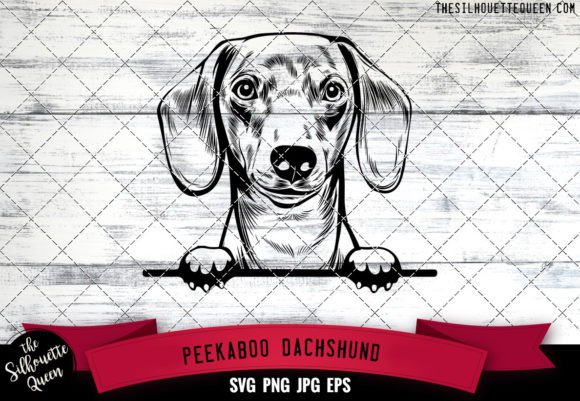
Open the file and you are greeted with a dog face that captures the long-nosed, floppy-eared charm of a dachshund, but with a playful twist. The peekaboo element gives it a slightly mischievous, almost coy expression. It is not a stiff portrait. It feels alive, like the dog is peeking around a corner or up from under a blanket. That emotional hook matters when you are creating custom apparel or gifts. People buy handmade products because they feel something, and this design leans into warm, affectionate, slightly playful energy.
The shape is clean and well-proportioned. The snout is elongated without being exaggerated. The ears drop naturally, and the eyes carry that bright, curious dachshund look. As an embroidery designer, I immediately noticed the layout is centered and compact, which makes it a strong candidate for chest placement on a sweatshirt, center front on a tote bag, or as a focal point on a pillow cover. The visual weight feels balanced, and the level of detail is moderate, not overly dense, not too sparse.
How It Performs Across Real Embroidery Projects
I stitched Dachshund Peekaboo Dog Face on four different substrates to see how it held up: a mid-weight cotton sweatshirt, a laminated cotton tote bag, a structured cap, and a tea towel. Here is what I observed.
On the sweatshirt, the design sat beautifully. The stitch angles followed the natural contours of the dog's face, and the fill stitch areas gave enough coverage without puckering the knit fabric. I used a medium-weight cutaway stabilizer and a 5x7 hoop, which gave comfortable clearance. The result was a professional-grade custom garment that felt ready for a boutique shelf or a custom order for a dog-loving client.
The tote bag test was even more revealing. I digitized the design from the provided files and stitched it onto a laminated cotton tote. The fabric had some stiffness, so I bumped up the stabilizer to heavy-weight tearaway with a topper sheet. The satin stitch outlines around the ears and snout came out crisp, and the peekaboo element really popped against the solid background. I could see this working extremely well for a small business selling personalized tote bags at craft fairs or on Etsy. Customers gravitate toward designs that feel unique and full of personality, and this one delivers that.
Where I ran into a caution was the cap test. The design has some internal detail around the eyes and nose that requires a relatively stable surface. On a curved cap front, I had to adjust the placement slightly lower than center to avoid distortion, and I used a cap frame with a firm backing. Even then, the smaller details like the eye highlights required careful hooping. If you are new to cap embroidery, I recommend testing this on a flat fabric first before committing to a curved surface.
The tea towel produced a charming result but reminded me of an important point. Towels and other frequently washed items need dense enough stitching to hold up over time, but not so dense that the fabric pulls. Dachshund Peekaboo Dog Face sat in a comfortable middle zone. The fill stitch areas were solid without being heavy, and the running stitch details added texture without creating stiffness. I would feel confident selling this on kitchen linens or nursery blankets, as long as the customer understands proper care.
Where to Use This Design Carefully
Every embroidery design has its sweet spot and its danger zones. Dachshund Peekaboo Dog Face is versatile, but I want to walk you through where you should proceed with caution.
- Small hoop sizes: If your hoop is smaller than 4x4, the details around the eyes and the snout outline may lose clarity. The design needs room to breathe. I recommend a minimum 5x7 hoop for clean results, especially if you are stitching on apparel where placement matters.
- Stretchy or thin fabric: On lightweight knits or slippery fabrics like silky polyester, the fill stitch areas can cause tunneling if your stabilizer is not aggressive enough. Use a cutaway stabilizer with a medium to high weight, and test a sample before running a batch.
- Dark fabric: The design relies on contrast between the dog's face and the background. On black or very dark fabric, the darker thread colors in the ears and snout may blend in. I recommend pulling a thread color map from your software and testing against your fabric before cutting. A light-colored backing fabric or a coordinating thread palette can save you from a washed-out result.
- Curved surfaces: As I mentioned with the cap test, curved surfaces like the front of a beanie or a small pouch can distort the peekaboo element. Keep the design centered and avoid stretching the fabric during hooping.
- Dense stitch areas: The design does not have extreme stitch density, but there are areas where multiple layers of satin stitch overlap. If you are stitching on a delicate fabric like a baby onesie, reduce your density slightly in your digitizing software or use a lighter stabilizer to prevent the fabric from pulling.
Visual Appeal and What It Means for Your Business
From a visual standpoint, this design punches above its apparent simplicity. The peekaboo expression gives it a storytelling quality that customers respond to. When I showed the stitched sweatshirt to a few friends who own dachshunds, every single one said, "That looks just like my dog's face when she wants a treat." That is the kind of recognition that sells products. It is not just a generic dog face. It reads as a specific personality, which makes it perfect for personalized gifts and custom orders.
If you run an Etsy shop or sell at craft fairs, consider how this design translates into product photography. The compact shape photographs well on a flat lay, and the detail is visible even at thumbnail size. You can create printable mockups using the provided JPG and PNG files to show customers how the finished product will look before they buy. That reduces returns and builds trust.
For boutique branding, a design like this can become a signature motif. You could offer it on sweatshirts, tote bags, baby blankets, and kitchen towels, and each product will carry a consistent look. That builds brand recognition. Customers who buy a dachshund-themed tote from you will remember that quality when they see the same design on a pillow cover at your next booth.
Practical Designer Notes Before You Stitch
Before you load this into your machine and start producing, here are the steps I always follow with a new design file, and I recommend you do the same with Dachshund Peekaboo Dog Face.
- Test on scrap fabric first. This is non-negotiable. Use a fabric similar to your final product and run a full stitch-out. Check for registration issues, thread breaks, and whether the peekaboo element reads clearly.
- Check thread color contrast. The design uses multiple shades, likely a brown or black for the snout and ears, a lighter tone for the face, and a bright accent for the eyes. Pull up the color stops in your software and verify they contrast well against your chosen fabric color. A dark design on a dark background will lose the expression.
- Review stitch density. If your digitizing software shows density reports, look at the fill stitch areas. If they are above 4.0 density, consider reducing slightly for softer fabrics. If they are below 2.5, the design may be too loose for high-wear items like caps or bags.
- Confirm hoop size. The design dimensions are not listed in the product description, so measure the bounding box in your software before hooping. You need at least half an inch of clearance on all sides inside your hoop to avoid tension issues.
- Test in black and white mockups. Convert the design to grayscale in your software and look at the value contrast. This will tell you if the design reads well in monochrome, which is useful for customers who want a single-color stitch-out.
- Compare light and dark fabric backgrounds. Stitch one sample on white and one on black. Adjust thread colors if needed. The provided files include SVG, JPG, PNG, and EPS, which means you can also preview the design on different background colors in your mockup software before stitching.
- Use proper stabilizer. For medium-weight fabrics, a medium cutaway stabilizer is a safe starting point. For stretchy or thin fabrics, go heavier. For dense designs on towels, use a water-soluble topper to keep the stitches crisp on top of the nap.
- Inspect small details. The eyes and the nose area contain the most detail. Zoom in on your software and check for tiny satin stitches or short running stitches that could cause thread breaks at high speeds. If your machine struggles, slow down the sewing speed for those sections.
- Confirm licensing before selling. The product description does not specify license terms for commercial use or digital product resale. If you plan to sell the finished embroidery items or use the design as part of a digital product you sell, check with the seller about their licensing policy. Do not assume commercial rights are included unless explicitly stated.
- Test it in a multi-needle machine if you have one. The design uses multiple thread colors, and color changes need to flow logically. Run a test to make sure the trim order and color sequence match your machine's settings.
Final Thoughts on Dachshund Peekaboo Dog Face for Your Embroidery Project
After spending significant time with Dachshund Peekaboo Dog Face, I can say it is a solid design for anyone in the embroidery business, whether you are a hobbyist making gifts for friends or a small shop owner producing inventory for a customer base. The peekaboo expression gives it a personality that generic dog faces lack, and the moderate detail level makes it forgiving on a variety of fabrics. It works best on stable, medium-weight substrates like sweatshirts, tote bags, and pillow covers. It will require extra attention on curved surfaces, small hoops, and very dark or stretchy fabrics, but those are manageable with proper preparation.
The included file formats give you flexibility for both stitching and mockups. Use the SVG and EPS for vector editing and scaling, the PNG for quick previews in your listings, and the JPG for printable mockups or social media posts. This is a design that belongs in the Crafts category and works beautifully as a Graphics asset for your product photography. If you are looking for a dachshund design that feels like a real dog rather than a stiff illustration, this one is worth your hoop time. Test it, tweak the thread colors for your fabric, and put it into production. Your customers will see the difference.