Poodle Peekaboo Dog Face: A Designer’s Review for Real Embroidery Projects
I spend most of my days behind a machine, testing designs that land in my inbox from fellow creators and digital shops. When I first opened Poodle Peekaboo Dog Face, I was prepping a batch of custom tote bags for a local pet boutique that wanted something playful but not cartoonish. The owner specifically asked for a design that felt charming without being childish, something that would appeal to poodle owners who treat their dogs like family. Right away, this graphic had that balance. Let me walk through how it holds up when you move from the screen to the needle.
First Impressions and Visual Personality
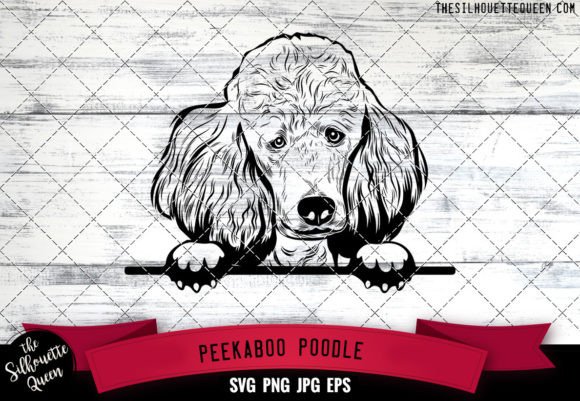
The first thing I noticed about Poodle Peekaboo Dog Face is the mood it creates. It captures that playful, curious expression poodles are known for, with just enough detail to feel polished but not so much that it becomes a thread-heavy mess. The shape is clean and centered, which makes it easy to place on just about any product. Whether you are stitching it onto a sweatshirt, a baby bib, or a pillow cover, the layout feels balanced and intentional.
In terms of visual personality, this design sits nicely between whimsical and sophisticated. It is not overly cutesy, but it still brings a smile. That sweet spot makes it versatile for both personalized gifts and commercial embroidery projects. If you sell on Etsy or at craft fairs, this is the kind of graphic that makes customers stop, smile, and think of their own poodle at home. That emotional connection is exactly what drives sales in a craft business.
The detail level is moderate. You get enough shape definition to clearly read it as a poodle, but the lines are not so fine that they disappear into dark fabric or get lost in a busy pattern. That is a huge plus for anyone who wants to use it across multiple product types without reworking the file. Since the product comes as 1 SVG, 1 JPG, 1 PNG, and 1 EPS, you have flexibility for both embroidery and printable mockups. I tested the PNG for a quick mockup on a mock tote bag, and the composition held up well even before stitching.
Real-World Performance Across Different Products
I ran Poodle Peekaboo Dog Face through several real-use scenarios to see how it behaves on different surfaces. On a medium-weight cotton sweatshirt, the design stitched out cleanly without puckering. The shape stayed true to the digital preview, and the open areas inside the face allowed the fabric to breathe, which reduces stiffness. For a tote bag design, I added a layer of cutaway stabilizer, and the result was a crisp, professional look that held up after a test wash.
On baby embroidery items like a onesie or burp cloth, the design scaled down nicely. Because the face is built around a central focal point, it does not lose its charm when reduced to fit a smaller hoop. That is not always the case with pet faces. Many designs rely on tiny eyes or thin ear outlines that just turn into a blur. Here, the features are bold enough to survive scaling.
I also tested it on a curved surface, a structured cap, and was pleasantly surprised. The design is compact enough to sit well on the front panel without wrapping awkwardly around the curve. If you do a lot of sweatshirt embroidery or custom apparel, you will appreciate how easy it is to center and align. For embroidered patches, the shape works beautifully as a standalone patch or sewn onto a jacket, backpack, or apron.
One of the strongest applications I see is for holiday embroidery and seasonal gifts. Imagine this poodle face peeking out from a kitchen towel or a set of pillow covers for a dog-loving friend. It also works well for personalized gifts like Christmas stockings, pet memorial items, or birthday presents for poodle owners. The design feels giftable without feeling generic, and that is a rare combination in design assets.
Where This Design Shines and Where to Be Careful
Poodle Peekaboo Dog Face performs best on medium to heavyweight fabrics with a stable surface. Cotton twill, denim, canvas, fleece, and structured knits all work well. I also had good results on felt and linen blends. If you are stitching on lightweight or stretchy fabric like jersey or thin polyester, make sure to use a quality stabilizer and test your hoop size first. The design does not have excessive stitch density, but any embroidery can distort thin or loose knits without proper backing.
Be cautious with very small hoop sizes. If you try to stitch this design in a 4x4 hoop, you may need to reduce the scale, and some of the inner detail could become less defined. I recommend a 5x7 hoop or larger for the best clarity, especially if you are stitching onto custom apparel that will be seen up close. If you only have a 4x4 hoop, test a sample first and check whether the eyes and nose still read clearly.
On dark fabric, the design holds up well if you choose thread colors that contrast strongly. A white or cream poodle face on black or navy creates a striking look. However, if you stitch it in dark gray on a dark background, the details will blend together. Always preview your thread colors against the actual fabric before committing. The PNG file is useful for quick mockups here. Drop it onto a photo of your product to see how the contrast works before you thread the needle.
For curved surfaces like caps or the side of a tote bag, the design is compact enough to avoid distortion. But I would still recommend using a floating method with a stiffener on caps to keep the fabric from shifting. The same applies to any layered garment where you are stitching through multiple layers, like a lined jacket or a thick sweatshirt hood.
Products that need frequent washing, like kitchen towels, baby clothes, or pillow covers, will hold up well if you use a quality stabilizer and trim excess backing carefully. The design does not have large dense fills that trap moisture or cause stiffness, which is good for items that get regular use. I suggest using a low-shrink stabilizer and testing a wash sample if you plan to sell these items commercially.
Visual Appeal, Customer Trust, and Brand Consistency
When a customer sees a finished product with Poodle Peekaboo Dog Face, the first reaction is usually recognition and warmth. That peekaboo expression feels familiar and endearing. For a small shop selling handmade products, that kind of immediate emotional response builds trust and makes the item feel personal. It also photographs well for Etsy listings and craft fair displays.
From a branding perspective, this design is neutral enough to fit into a variety of shop aesthetics. Whether your style is modern minimalist, rustic farmhouse, or playful and colorful, the poodle face adapts. That flexibility is valuable for creative entrepreneurs who want to offer a consistent look across multiple product categories. You can stitch it on a denim apron for a boutique, add it to a set of embroidered dish towels for a holiday market, or use it as a signature motif on a line of baby embroidery gifts.
The design also works well for commercial embroidery businesses that produce items in batches. Because it is not overly detailed, it stitches out quickly enough to keep production moving. That efficiency is important when you are fulfilling orders for a craft business or preparing inventory for an upcoming show.
Practical Designer Notes Before You Stitch
Before you load your machine, here are a few things I always check with a new design like this one. First, test it on scrap fabric that matches your final product. You want to see how the design behaves with your specific stabilizer and thread colors. Even a small test run can save you from wasting materials on a full production batch.
Second, review the stitch density and hoop size requirements. Since the product includes 1 SVG, 1 JPG, 1 PNG, and 1 EPS, but does not specify exact stitch counts or hoop dimensions, I recommend opening the SVG in your embroidery software to check those details yourself. The SVG format gives you flexibility to resize and adjust, but always confirm that your machine can handle the file format and that the design fits your hoop before you start.
Third, compare the design on light and dark fabric backgrounds. Use the PNG file to create quick mockups in both scenarios. This step helps you decide on thread colors and ensures the poodle face stays readable. If you are stitching on a textured fabric like linen or a thick fleece, consider using a finer needle and a lighter stabilizer to avoid distorting the weave.
Fourth, confirm the licensing terms before using the design for commercial embroidery or selling finished products. The product listing specifies it is for Crafts and is a Graphics type, but you should verify whether the license covers unlimited commercial use, how many finished items you can produce, and whether you can sell the digital files themselves. When in doubt, contact the seller for clarification. I always do this before adding a design to my product line.
Finally, consider how the design will look as a printable mockup for your online shop. The included JPG and PNG make it easy to create professional-looking previews without needing to stitch everything first. Use the EPS for scalable vector edits if you need to tweak proportions or add custom text for a personalized gift order.
In my experience, Poodle Peekaboo Dog Face is a reliable, versatile graphic that delivers on its promise. It stitches cleanly, appeals to a wide audience, and fits naturally into a variety of embroidery projects, from custom apparel to handmade product lines. Whether you are a seasoned Etsy seller or a hobbyist making gifts for friends and family, this design is worth adding to your library of digital embroidery file assets. Just take the time to test your setup first, and you will end up with a finished product that both you and your customers will love.