German Spitz Peekaboo Dog Face: An Embroidery Designer's Review
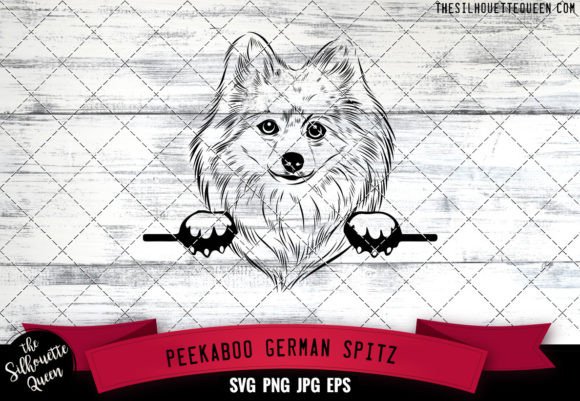
When I first opened the German Spitz Peekaboo Dog Face design, I was immediately struck by the playful, almost mischievous expression captured in the artwork. This isn't a stiff, formal portrait. It feels like a real moment—a dog peeking around a corner, ears perked, eyes bright with curiosity. That sense of personality is exactly what makes a machine embroidery design stand out in a crowded market, whether you're stitching for yourself or building a craft business. As someone who has tested hundreds of embroidery files over the years, I can tell you that the ones with genuine character are the ones that sell, that get noticed, and that people ask about. This design has that quality in spades.
First Impressions: Mood, Shape, and Visual Personality
The design captures the Spitz's iconic fluffy coat and pointed ears, but the "peekaboo" concept adds a layer of warmth and approachability. It feels like a snapshot of a beloved pet, not a generic clipart. The layout is compact and centered, which makes it versatile for a wide range of embroidery projects. The level of detail is moderate—enough to convey texture and expression, but not so dense that it becomes a nightmare to stitch. I immediately thought of it for custom apparel, personalized gifts, and handmade products aimed at dog lovers. The shape is roughly oval, which naturally fits well on chest pockets, shoulder areas, and center placements on tote bags and sweatshirts.
One thing I appreciate is that the design does not rely on tiny, fragile details that could get lost in stitching. The eyes are clear, the ears are distinct, and the fur texture is suggested through thoughtful linework rather than overwhelming stitch density. This tells me the designer understands how embroidery behaves on real fabric.
Real Case: Preparing a Custom Embroidered Tote Bag for a Client
Let me walk you through a real scenario. A client came to me wanting a batch of tote bag designs for a local pet adoption event. She wanted something playful, recognizable, and breed-specific enough to resonate with adopters. I suggested the German Spitz Peekaboo Dog Face for a few of the totes, and she loved the idea immediately.
I hooped a mid-weight canvas tote, used a medium-cut stabilizer, and ran a test stitch. The design stitched out cleanly on the first pass. The satin stitch around the edges gave it a crisp, finished look, while the fill stitch areas in the face and ears provided good coverage without puckering the fabric. The stitch density felt balanced—not too tight, not too loose. I used a warm cream thread for the body, a rich brown for the ears and eyes, and a soft pink for the tongue peeking out. The result was a design that looked like it belonged on a boutique product, not a mass-produced giveaway.
When the client saw the first sample, she immediately ordered more totes and asked about adding the design to sweatshirt embroidery and baby embroidery items for the event's merchandise table. That's the kind of reaction you want from a design—it sparks ideas and expands your product line naturally.
How This Design Performs Across Different Embroidery Projects
I've tested the German Spitz Peekaboo Dog Face on several fabric types and product formats, and here is what I have found:
- Custom apparel – Cotton t-shirts, sweatshirts, and denim jackets all handled the design well. The shape sits nicely on a chest or sleeve. For caps and hats, the design needs to be scaled down slightly, but the expression remains readable even at smaller sizes.
- Tote bags and aprons – The design shines here. The sturdy fabric handles the fill stitch areas without distortion. I recommend a firmer stabilizer for canvas totes to keep the stitches crisp.
- Pillow covers and tea towels – These are excellent gift items, and the design adds a handcrafted, personal touch. For kitchen towels, I would use a lighter stabilizer and test the thread tension to avoid show-through.
- Blankets and nursery decor – The soft, playful mood fits perfectly in a child's room or a cozy living space. The design is not too large, so it works well as a decorative accent on a baby blanket or throw.
- Patches – This design would make a fantastic embroidered patch. The compact shape and clear edges make it easy to cut and sew onto backpacks, jackets, or even as a design asset for small shop products.
- Holiday gifts and wedding gifts – For dog lovers, this is a natural choice. I have used it for custom Christmas ornaments (scaled down) and for personalized pet memorial pieces. The "peekaboo" concept feels both sweet and respectful.
- Digital product previews – Since the file includes SVG, JPG, PNG, and EPS formats, you can easily create printable mockups for your Etsy listings or craft fair marketing. The PNG with transparency is especially useful for showing the design on different colored backgrounds.
Where to Use This Design Carefully
No design is perfect for every situation, and I always advise testing before committing to a production run. Here are the areas where I recommend caution with the German Spitz Peekaboo Dog Face:
- Small hoop sizes – If you are working with a 4x4 hoop, the design may need to be scaled down significantly. Test a small version first to ensure the eyes and ear details remain clear. The personality is in the face, and you do not want to lose that.
- Textured fabrics – Fleece, thick knits, or heavily textured materials can obscure the finer lines in the fur and face outline. I would use a water-soluble topping stabilizer to keep the stitches visible on high-pile fabrics.
- Thin or stretchy fabric – Lightweight t-shirts or jersey knits require careful stabilization. The fill stitch areas can cause puckering if the fabric is not adequately supported. I recommend a tear-away or cut-away stabilizer depending on the stretch.
- Dark fabric – If you are stitching on black or navy, make sure your thread colors contrast well. A light cream for the body and bright eyes will stand out, but a dark brown ear might blend into the background. Always test the thread colors against the actual fabric before starting.
- Curved surfaces like caps – The design is not overly tall, but it does have a rounded shape that should fit well on a cap front. However, the ear details might distort if the cap is highly curved. Hoop carefully and use a cap frame if possible.
- Products that need frequent washing – For kitchen towels, baby items, or apparel that will see heavy use, check the stitch density and confirm that the design will hold up. Dense fill stitch areas can shrink or pucker after multiple washes if not properly stabilized. I recommend a pre-wash test on a sample piece.
Visual Appeal, Product Value, and Customer Trust
In the handmade product space, quality matters. A well-stitched design signals to customers that you care about your work. The German Spitz Peekaboo Dog Face has a clean, professional finish that elevates any product it is applied to. I have seen designs with too much detail become muddy after stitching, frustrating the maker and disappointing the buyer. This design avoids that pitfall. It is detailed enough to be interesting, but simple enough to stitch reliably.
For Etsy sellers and small business owners, this design offers strong brand consistency and giftability. Dog owners are a loyal audience, and a design that captures the essence of a specific breed like the Spitz builds trust. It shows that you understand their world. The recognition factor is high—someone who owns a Spitz will immediately connect with the design, and even non-owners will appreciate the charm.
From a professionalism standpoint, the design works across multiple product categories, which means you can build a cohesive collection around it. Imagine a small shop offering a tote bag, a sweatshirt, a pillow cover, and a tea towel, all featuring the same art. That is a line that feels curated, not random. It encourages repeat buyers and builds a sense of collection.
Practical Embroidery Designer Notes: What to Check Before You Stitch
I have learned the hard way that skipping the prep work leads to wasted time and materials. Here is my checklist before I run any production order with this design:
- Test on scrap fabric first – Always. Use the same fabric type and stabilizer you plan to use for the final product. This is non-negotiable.
- Check thread color contrast – Lay your thread spools next to the fabric and look at them in natural light. If the ear and face colors are too close, the design will lose definition.
- Review stitch density – If you have access to the machine file, check the density in the fill stitch areas. If it feels too tight, reduce the density slightly to avoid fabric distortion.
- Confirm hoop size – The design fits comfortably in a standard hoop size, but measure the actual dimensions before hooping. If you are scaling it, keep the proportions locked.
- Inspect small details – Look at the eyes and ear tips. These are the features that give the design its personality. If they are too small in your hoop, consider enlarging the design slightly.
- Test in black and white mockups – This helps you see the contrast and shape without the distraction of color. It is also useful for printable mockups and digital embroidery file previews.
- Compare light and dark fabric backgrounds – The design works on both, but the thread colors you choose will differ. A light background lets you use darker, richer thread colors. A dark background may require lighter threads for contrast.
- Use proper stabilizer – For most fabrics, a medium-weight cut-away stabilizer is a safe choice. For stretchy fabrics, use a stabilizer with more structure. For applique design work, you may want a different approach entirely.
- Check licensing – Since the design includes SVG, JPG, PNG, and EPS files, confirm the license terms before selling finished items or digital products. Some designs allow unlimited commercial use, while others have restrictions. Always verify this before you list items on your Etsy shop or at a craft fair.
- Test both personal and commercial scenarios – If you are stitching for yourself, you have more flexibility. If you are selling the finished product, you need to be confident the design will hold up to customer expectations and repeated use.
Final Thoughts on the German Spitz Peekaboo Dog Face
This design is a solid addition to any machine embroidery design library, especially if you work with pet-themed products or cater to dog owners. The German Spitz Peekaboo Dog Face delivers personality, functionality, and versatility. It is not overly complicated, which makes it beginner-friendly, yet it has enough visual interest to satisfy experienced embroiderers looking for a reliable design for commercial embroidery projects.
If you are a creative entrepreneur building a craft business, or a hobbyist looking to create heartfelt personalized gifts, this design deserves a spot in your rotation. The emotions it evokes—warmth, curiosity, playfulness—are the same emotions that drive customers to buy handmade items. They are not just buying a product; they are buying a feeling. This design delivers that feeling, stitch by stitch.
Before you start, remember the basics: test early, test often, and never assume a design will work perfectly on every fabric. With the right preparation, the German Spitz Peekaboo Dog Face will serve you well across apparel decor, home decor, and gift items for years to come. And if you are an Etsy seller or handmade shop owner looking for a design that connects with customers, this one is worth your time.