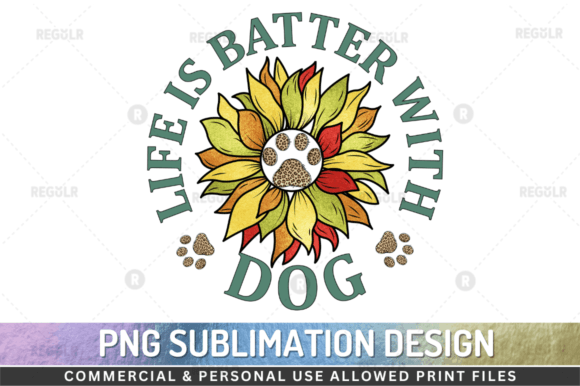
Life is Batter with Dog Sublimation Desi
As a designer who spends as much time testing embroidery files as I do reviewing printable graphics, I approach every new product with a critical eye. The Life is Batter with Dog Sublimation Desi landed on my desk as a digital download—a PNG file meant for sublimation or print‑on‑demand. But because I work primarily with thread and fabric, my first thought was: how would this translate into an embroidery project? After spending an afternoon adapting the design for a custom tote bag, I’m ready to share my practical evaluation.
First Impressions: A Pun That Sticks
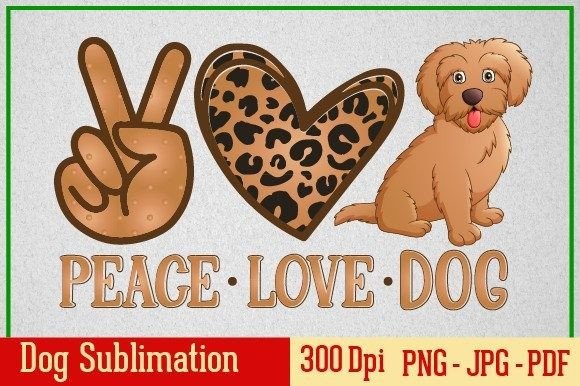
The visual mood of Life is Batter with Dog Sublimation Desi is warm, playful, and instantly relatable. The dog illustration has a charming, slightly cartoonish quality—friendly eyes, a perky ear, and that “I’m ready to help in the kitchen” expression. The lettering uses a rounded, casual font that matches the lighthearted tone. The layout feels balanced: the dog sits comfortably beside the text, with enough negative space to keep the design from feeling crowded. As a piece of graphics in the Crafts category, it delivers a clear, marketable concept. Pet lovers, bakers, and anyone who enjoys a good pun will latch onto it immediately.
But from an embroidery perspective, that same playfulness introduces challenges. The text includes a mix of uppercase and lowercase letters, some with thin strokes. The dog’s features—nose, eyes, whiskers—are small but essential to the character’s expression. For a machine embroidery design, those details need to hold up after stitching, washing, and repeated use. The sublimation version is crisp, but thread can’t reproduce every pixel perfectly.
Real‑Life Scenario: Preparing a Custom Tote Bag
I decided to test Life is Batter with Dog Sublimation Desi on a cotton tote bag—a staple for craft fairs and small shop merchandise. The goal was to digitize the design into an embroidery file, keeping the playful spirit while ensuring stitch clarity. I used a standard hoop size that could accommodate the full layout without distorting the proportions.
First, I isolated the dog and the lettering into separate elements. The dog’s body called for a medium fill stitch to give it substance, while the ears and nose worked better as a satin stitch to define the shapes without adding bulk. The text required careful letter spacing; the rounded font digitized smoothly, but the thin parts of letters like “i” and “t” needed extra width to avoid disappearing into the fabric. I also added a slight underlay with a running stitch to stabilize the fill stitch areas, especially around the dog’s face.
On the tote, the design sat at about four inches wide—large enough to read clearly but small enough to leave room for a pocket or monogram if desired. The fabric was a mid‑weight cotton, so I used a tear‑away stabilizer to keep the stitches crisp. After a test sew on scrap, I adjusted the stitch density in the dog’s body to prevent it from feeling stiff. The final result was a playful, durable embroidery that looked handmade without sacrificing precision.
Performance in Real Embroidery Projects
Beyond tote bags, Life is Batter with Dog Sublimation Desi fits naturally into several product categories. I can see it working beautifully on:
- Custom apparel – sweatshirts, t‑shirts, and aprons. The kitchen theme makes it a natural for an apron, and the dog pun adds charm for dog‑loving chefs.
- Embroidered patches – iron‑on or sew‑on patches for jackets, backpacks, or gifts. The design’s compact layout and distinct shapes digitize well for patch production.
- Baby and kids’ items – if the dog is gentle and the colors are soft. A onesie or small blanket could carry a simplified version of the design.
- Holiday gifts and boutique products – kitchen towels, pillow covers, or even a cork trivet. The humor makes it a memorable gift for pet owners who bake.
For Etsy sellers and small shop product creators, this design can be a quick win. The digital embroidery file adaptation is straightforward, and the finished product has a high “cute factor” that customers share on social media. In my experience, designs that combine an animal with a pun have strong buyer engagement because they feel personal and fun.
Where to Use Carefully
Not every application suits this design equally. As an embroidery project, Life is Batter with Dog Sublimation Desi requires attention to a few details:
- Small hoop sizes – If you try to fit the design into a 4x4 hoop, the dog’s facial features and the finer lettering may become too small. Scale it up to at least 4x6 or use a larger hoop to preserve detail.
- Stretchy or thin fabrics – The fill stitch areas need stability. On knits or lightweight fabrics, use a cut‑away stabilizer and reduce stitch density to avoid puckering.
- Dark fabric backgrounds – The dog and lettering rely on contrast. If you stitch on black or navy, choose thread colors that pop, like white, bright butter yellow, or a light gray. Test the design on a dark swatch before committing.
- Curved surfaces like caps – The text alignment might distort on a curved cap front. Consider using a cap hoop with a floating stabilizer, or place the design on a flat area instead.
- Frequent washing – For tea towels or aprons, ensure the stitch density isn’t too dense, or the thread may wear unevenly. A satin stitch border around the dog can help seal the edges.
If you plan to sell finished products featuring this design asset, be sure to check the licensing terms included in the PNG file download. The listing mentions it can be used for print‑on‑demand services, but embroidery may be considered a derivative use. When in doubt, contact the seller to confirm commercial rights for machine embroidery design adaptations.
Practical Designer Notes for a Smooth Stitch‑Out
Before you load your machine, take the time to run through these checks. They save thread, fabric, and frustration:
- Test on scrap fabric – Use the same fabric type (and similar color) as your final product. This catches issues with tension, density, and scaling.
- Review thread color contrast – Print the sublimation design in grayscale to see how the values separate. If the dog and background are too similar, adjust your palette.
- Check stitch density – The dog’s fill should be dense enough to cover the fabric but not so tight that the fabric distorts. Aim for around 4–5 stitches per mm for most cottons.
- Inspect small details – The dog’s eye and nose are critical. If they are smaller than 2 mm in the digitized file, enlarge them slightly or use a satin stitch with a thick width.
- Test in black and white mockups – A simple mockup helps you spot contrast issues before you invest thread. If the design disappears on white fabric, add a subtle outline.
- Compare light and dark fabric backgrounds – Sometimes a design that looks great on a white sample looks muddy on a colored fabric. Run a quick test on both.
- Use proper stabilizer – For medium‑weight woven fabrics, tear‑away works. For knits or heavy fill areas, opt for cut‑away to prevent stretching.
- Confirm hoop size – Measure the design’s dimensions in your software. A 5x7 hoop often gives enough room to keep the lettering and dog together without crowding.
If you plan to sell the handmade product online, also consider how the design will appear in printable mockups. A clean, well‑lit photo of the stitched item can make or break a listing. The design’s cheerful personality already does half the marketing work.
Final Verdict: A Solid Addition to Your Design Assets
After working with Life is Batter with Dog Sublimation Desi, I’m satisfied that it’s more than a pretty PNG. Its structure adapts well to embroidery when you pay attention to scale and detail. It fits into the Graphics category as a clean, marketable concept, and within the Crafts world it offers real potential for both personal gifts and commercial embroidery production. If you’re an Etsy seller, a small shop product creator, or a creative entrepreneur looking to add a dog‑themed pun to your lineup, this design is worth the download. Just remember to digitize with care, test thoroughly, and always read the fine print on usage rights. Your customers will appreciate the extra effort—and so will the dogs in their lives.